Vertical Farms Are Feeding Cities: The $12 Billion Industry That's Rewriting Agriculture
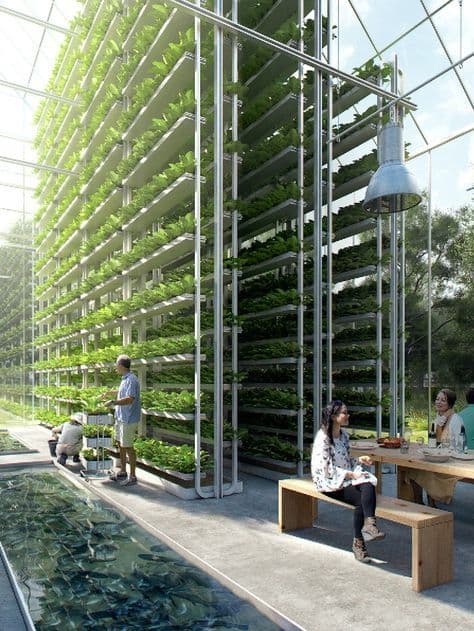
The vertical farming industry has survived its hype cycle — complete with spectacular bankruptcies like AppHarvest and AeroFarms' 2023 Chapter 11 — and emerged as a genuine force in urban food production. The global market has reached $12 billion, with the US accounting for approximately 40%. More meaningfully, vertical farms now supply roughly 10% of the leafy greens consumed in New York, Chicago, and Los Angeles — a figure that was below 1% just four years ago.
How the Industry Matured
The vertical farming crash of 2023-2024 was brutal but ultimately healthy. Companies that had raised billions on promises of growing everything from wheat to watermelons indoors went bankrupt when the economics proved impossible. What survived — and is now thriving — are operations focused on high-value crops where indoor farming has genuine economic advantages: lettuce, herbs, microgreens, strawberries, and specialty greens.
Plenty Unlimited, backed by $900 million in funding (including from SoftBank and Jeff Bezos), operates the world's largest vertical farm in Compton, California. The 120,000-square-foot facility produces 4.5 million pounds of leafy greens annually using robotic harvesting, AI-controlled climate management, and LED lighting tuned to specific wavelengths that optimize photosynthesis for each crop variety.
The key metric is yield per square foot: Plenty's facility produces 350 times more food per acre than conventional agriculture. When you factor in year-round production (12-14 harvest cycles annually versus 2-3 for field farming) and elimination of weather-related crop losses, the economics work — barely — for premium produce in high-cost urban markets.
The Technology Stack
Modern vertical farms are essentially biological factories. Every variable is controlled: temperature (within 0.5°C), humidity (within 2%), CO2 levels, nutrient concentration in hydroponic solution, and light spectrum and intensity. AI systems monitor plant health through computer vision, detecting nutrient deficiencies or disease days before a human grower would notice.
Energy consumption has been the industry's Achilles' heel, but recent advances in LED efficiency have cut power costs by 40% since 2022. The latest generation of horticultural LEDs converts 70% of electrical energy into photosynthetically active radiation, approaching the theoretical maximum. Combined with renewable energy contracts and on-site solar, leading operators have achieved carbon footprints per unit of food that are competitive with — though not yet below — conventional agriculture.
Water usage is where vertical farming truly excels. Closed-loop hydroponic systems recirculate 95% of water, using just 1-2 gallons to produce a pound of lettuce versus 15-20 gallons in field agriculture. In water-stressed regions like the American Southwest, this advantage alone justifies the investment.
The Supply Chain Advantage
Perhaps the most underappreciated benefit of vertical farming is proximity to the consumer. A head of lettuce grown in Arizona's Yuma Valley travels 2,000 miles to reach a New York supermarket, spending 5-7 days in transit during which it loses nutrients and shelf life. A head grown in a vertical farm in Newark, New Jersey reaches the same supermarket in 4 hours, arriving fresher and lasting twice as long in the consumer's refrigerator.
This proximity reduces food waste (an estimated 30-40% of field-grown produce is lost between harvest and consumption), eliminates the carbon emissions of long-distance refrigerated transport, and provides supply chain resilience against the weather disruptions, labor shortages, and transportation bottlenecks that have plagued conventional agriculture.
Kroger, Walmart, and Whole Foods have all signed multi-year supply agreements with vertical farming operators, guaranteeing consistent pricing and volume that provides the revenue stability these capital-intensive operations need.
Limitations and Future
Vertical farming will not replace conventional agriculture — it can't economically produce staple crops like grains, corn, or soybeans that require vast acreage and low per-unit costs. Its sweet spot is perishable, high-value crops consumed in urban markets: the salad on your plate, the herbs in your cocktail, the strawberries on your morning yogurt.
But within that niche, the trajectory is clear. Vertical farming's share of urban fresh produce is projected to reach 25% by 2030, driven by continued technology improvements, consumer preference for locally grown food, and the increasing unreliability of field agriculture in a changing climate.
The farms of the future may not have fields at all. They may have floors.