British Museum Theft Scandal: How a Staffer Stole 350 Prints Over Decades
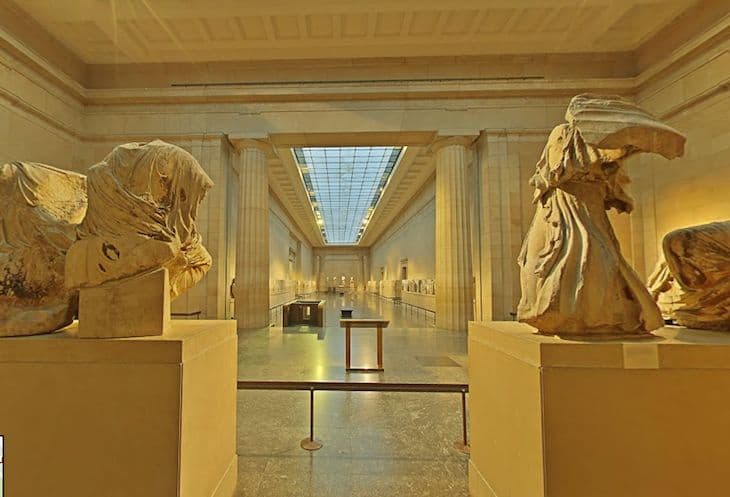
The British Museum, one of the world's most visited cultural institutions, is facing renewed scrutiny following the publication of a book that provides the most detailed account yet of how a trusted staff member managed to steal more than 350 prints, drawings, and small artifacts over a period spanning decades. The revelations have reignited debate about security practices at major museums and the vulnerability of collections that are too vast to fully catalogue.
The Theft
The scandal first became public in 2023 when the museum dismissed Peter Higgs, a senior curator in the Greek and Roman department who had worked at the institution for nearly 30 years. An internal investigation, prompted by a tip from an art dealer who noticed museum pieces appearing for sale on eBay at suspiciously low prices, revealed a pattern of theft stretching back to at least the late 1990s.
Higgs had access to storage rooms containing thousands of items that were not on public display and, crucially, had never been photographed or entered into a digital catalogue. This allowed him to remove pieces without triggering any inventory discrepancy, because no record existed to compare against. The stolen items included ancient gemstones, gold jewelry fragments, and Renaissance-era prints, with an estimated combined value in the millions of pounds.
What the New Book Reveals
A book published this month by investigative journalist Catherine Scott draws on interviews with museum insiders, law enforcement officials, and the art dealers who unknowingly handled stolen goods. The account paints a picture of institutional complacency that extended far beyond one individual's criminal behavior.
According to Scott's reporting, colleagues had raised informal concerns about Higgs as early as 2005, noting his unusually frequent after-hours presence in storage areas and his apparent knowledge of items not typically within his curatorial remit. These concerns were never formally investigated. The museum's internal culture, Scott argues, prioritized scholarly reputation and institutional harmony over rigorous security protocols.
The book also reveals that the museum's collection management system was alarmingly outdated. As of 2023, an estimated 2 million of the museum's roughly 8 million objects had never been digitally catalogued. Without a comprehensive record of what the museum actually held, identifying missing items was essentially impossible unless someone happened to notice an absence.
Security Failures
Independent security consultants who reviewed the museum's practices after the scandal went public identified multiple systemic failures. Storage rooms containing valuable items were accessible to staff using basic key-card systems with limited logging. There were no CCTV cameras in most storage areas. Bag checks for departing employees were inconsistent and rarely conducted for senior staff.
Perhaps most critically, the museum had no routine audit process for items in storage. Display galleries are regularly checked, but the vast majority of any major museum's collection sits in storage at any given time. At the British Museum, items could sit unchecked for years or even decades.
The museum's board of trustees commissioned an independent review following the scandal, led by former senior judge Sir Nigel Boardman. That review, published in late 2024, made 39 recommendations for improving collection management and security, including mandatory digital cataloguing of all items, enhanced access controls, and regular spot-check audits of stored collections.
The Recovery Effort
The museum launched an intensive recovery operation, working with police, art dealers, and online marketplaces to trace and reclaim stolen items. As of early 2026, approximately 270 of the more than 350 known stolen pieces have been recovered. Some were returned by buyers who had purchased them in good faith through online auctions, while others were tracked through dealer networks across Europe.
However, dozens of items remain missing, and the museum has acknowledged that the true scope of the theft may never be fully known. Without comprehensive cataloguing, it is impossible to confirm whether additional items were taken but never identified as missing.
Higgs was arrested but has denied all charges. His criminal trial is expected to proceed later this year. Legal observers note that prosecution may be complicated by the museum's own record-keeping failures, which make it difficult to establish definitive provenance and ownership timelines for some items.
A Wider Problem
The British Museum case, while extreme in scale, is not unique. Museums worldwide have grappled with internal theft, and security experts say the fundamental vulnerability is the same everywhere: collections too large to fully catalogue, combined with trust-based access systems that assume employee honesty.
The Smithsonian Institution in Washington, D.C. conducted a review of its own security protocols in the wake of the British Museum scandal and acknowledged gaps in its storage monitoring systems. Several European national museums have similarly initiated or accelerated cataloguing projects.
Rebuilding Trust
For the British Museum, the path forward involves not just recovering stolen objects and improving security, but rebuilding public trust. Museum director Mark Jones, who took over in the aftermath of the scandal, has pledged full transparency about the institution's reforms and has committed to completing a digital catalogue of the entire collection by 2030.
The question now is whether this incident will serve as a lasting catalyst for change across the global museum sector, or whether the institutional inertia that enabled the theft will ultimately reassert itself once the headlines fade.