Ocean Cleanup Project Removes 50 Million Pounds of Plastic: Is It Enough?
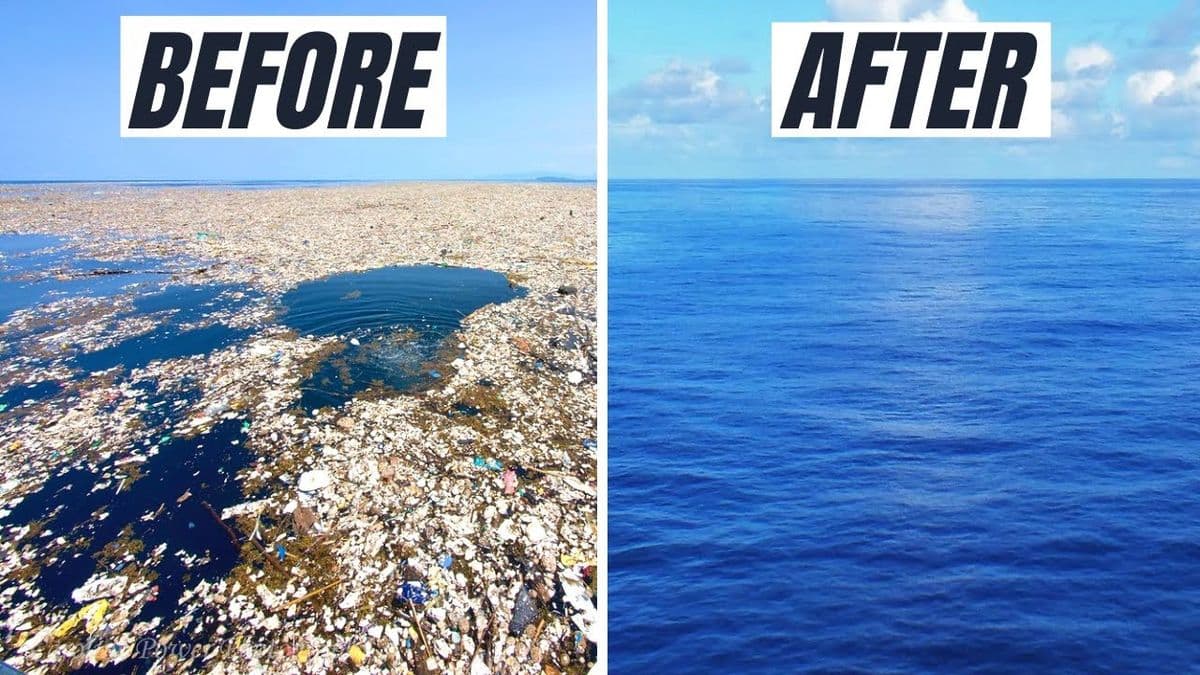
The Ocean Cleanup, the ambitious nonprofit founded by Dutch inventor Boyan Slat in 2013, has reached a milestone that once seemed impossible: 50 million pounds of plastic removed from the world's oceans. The achievement, verified by independent auditors, represents roughly 1% of the estimated plastic mass in the Great Pacific Garbage Patch — and Slat says they're just getting started.
How They Did It
The current system, dubbed "System 03," deploys a U-shaped barrier approximately 2,500 meters wide that is towed between two vessels at low speed through concentrations of ocean plastic. The barrier sits at the surface, catching floating debris while allowing marine life to pass underneath. Every few days, the collected plastic is hauled onto a support vessel and transported to shore for recycling.
System 03 represents a massive improvement over earlier designs that struggled with durability and efficiency in open-ocean conditions. The current system captures approximately 100,000 pounds of plastic per day in optimal conditions — 10x the rate of the previous generation. Three System 03 units are now operating simultaneously in the Pacific, with plans to deploy two more by year-end.
The River Interception Strategy
Recognizing that removing plastic from the ocean is treating the symptom rather than the cause, The Ocean Cleanup has also deployed 30 "Interceptor" systems in rivers across Asia, Africa, and Central America. These autonomous, solar-powered devices sit in rivers and collect plastic before it reaches the ocean. The top-performing Interceptor, installed in Indonesia's Citarum River, captures over 100,000 pounds of plastic per month.
Combined, the river Interceptors have prevented an estimated 15 million pounds of plastic from entering the ocean — arguably more impactful per dollar than open-ocean extraction.
The Debate
Not everyone is celebrating. Marine scientists have raised legitimate concerns. First, the math: approximately 22 billion pounds of new plastic enter the ocean every year. Removing 50 million pounds, while symbolically significant, represents roughly 0.2% of annual input. At the current rate, extraction can't keep pace with pollution.
Second, some marine biologists worry about bycatch — the unintended capture of surface-dwelling organisms, particularly neuston (floating marine creatures that live at the ocean's surface). The Ocean Cleanup has modified its systems to reduce bycatch rates and publishes independent monitoring reports, but the concern remains.
The Path Forward
Slat has been characteristically direct about the challenge: "Cleanup alone will never be enough. We need to turn off the tap." The organization now advocates for global plastic reduction policies alongside its engineering work, supporting the UN's Global Plastics Treaty negotiations that aim to reduce plastic production by 40% by 2040.
The removed plastic isn't wasted. The Ocean Cleanup's recycling partners process the collected material into durable products — sunglasses frames (their original product), furniture components, and automotive parts — with revenue feeding back into operations.
Fifty million pounds is both an extraordinary achievement and a humbling reminder of the scale of the problem. The ocean plastic crisis won't be solved by any single organization or technology. But The Ocean Cleanup has proven that large-scale extraction is physically possible — and that alone has changed the conversation from "can we clean the ocean?" to "how fast?"