International Women's Day 2026: Celebrations, Protests, and the State of Gender Equality
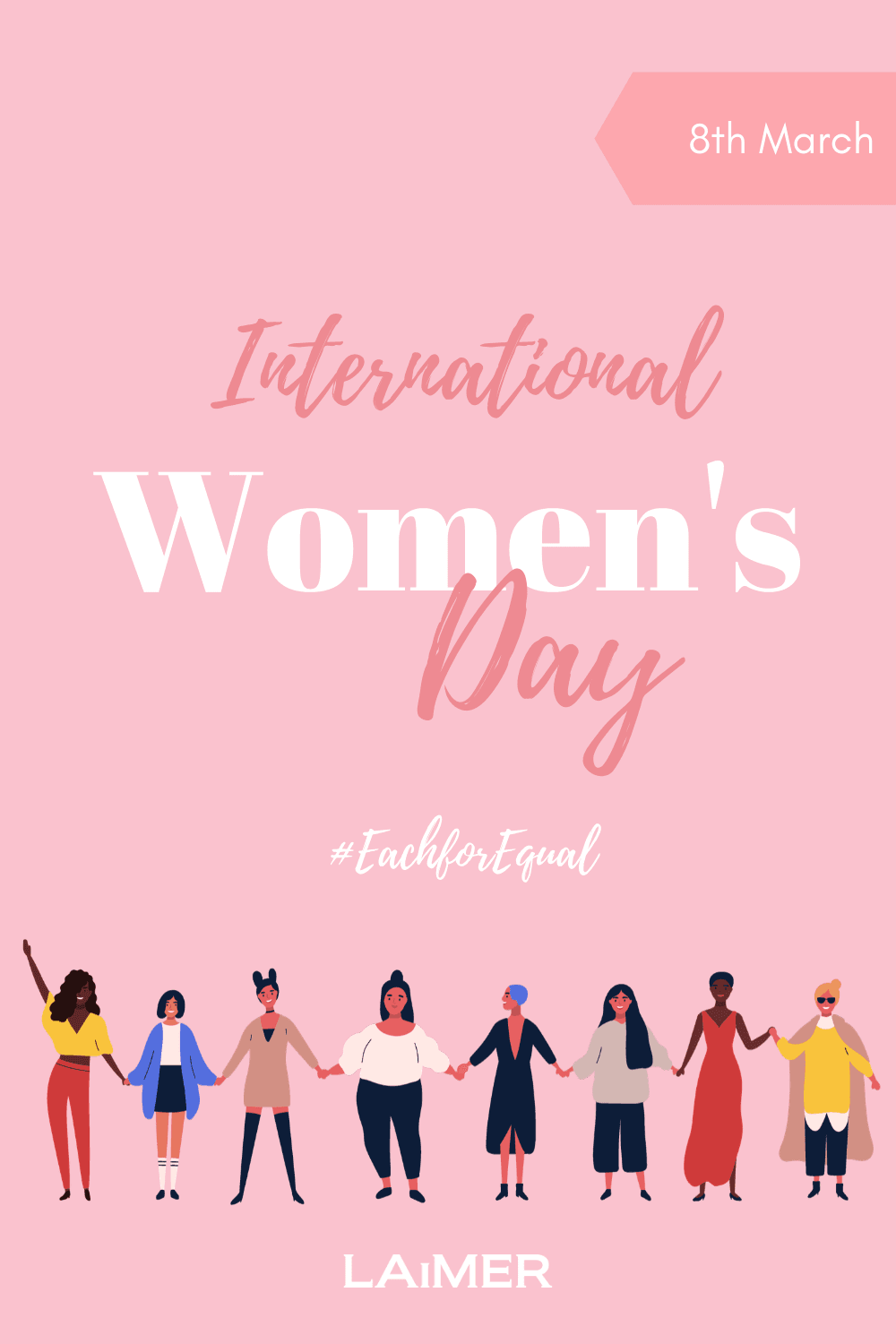
Millions of people across the globe marked International Women's Day on March 8, 2026 with a mix of celebration, protest, and reflection. From large-scale marches in European capitals to corporate pledges and grassroots community events, the day served as both a measure of how far gender equality has come and a reminder of how much work remains.
A Day of Marches Across Europe
Some of the largest gatherings took place across European cities, where International Women's Day carries particular cultural and political weight. In Madrid, an estimated 200,000 people filled the Gran Via in what organizers called one of the largest feminist demonstrations in Spanish history. Marchers carried signs demanding stronger protections against gender-based violence and equal pay enforcement.
In Berlin, tens of thousands gathered at Brandenburg Gate for a rally focused on reproductive rights and the gender pay gap, which in Germany still stands at approximately 18% according to the Federal Statistical Office. International Women's Day has been a public holiday in Berlin since 2019, and the city marked the occasion with free public transit for women and nonbinary individuals.
Paris saw significant demonstrations along the Place de la Republique, with French feminist organizations highlighting the country's ongoing struggle with workplace harassment and calling for stronger enforcement of existing equality legislation. In Rome, women's organizations staged a coordinated walkout from workplaces at noon, drawing attention to Italy's low female labor force participation rate.
Progress Worth Noting
Despite the persistent challenges, advocates pointed to meaningful advances in 2025 and early 2026. The European Union's Pay Transparency Directive, which requires companies with more than 100 employees to publish gender pay gap data, entered its implementation phase across member states in January 2026. Early compliance reports suggest that public disclosure alone is already prompting companies to address disparities.
Iceland, consistently ranked as the world's most gender-equal country by the World Economic Forum, celebrated a milestone: its adjusted gender pay gap fell below 3% for the first time, approaching statistical parity. The country's approach, which combines mandatory equal pay certification for employers with robust parental leave policies, continues to serve as a model studied by policymakers worldwide.
In the technology sector, female representation in engineering and product leadership roles at major firms crossed 30% globally for the first time, according to data from McKinsey's annual Women in the Workplace report. While still far from parity, the figure represents a notable shift from 22% just five years ago.
The Gaps That Persist
For all the progress, the numbers tell a sobering story in many areas. The World Economic Forum's most recent Global Gender Gap Report estimated that at the current rate of progress, full economic gender parity will not be achieved until 2056. Political representation remains uneven, with women holding just 26.9% of parliamentary seats globally.
Gender-based violence continues to be a crisis. UN Women reported that approximately 47,000 women and girls were killed by intimate partners or family members in 2025, a figure that has remained stubbornly consistent over the past decade. Advocates argue that legislative frameworks exist in most countries but enforcement and funding for support services remain inadequate.
The so-called "motherhood penalty" also remains a significant driver of economic inequality. Research published in February 2026 by the Institute for Fiscal Studies found that women in the UK earn on average 30% less than men by the time their first child turns 12, a gap driven primarily by reduced working hours and career interruptions rather than explicit discrimination.
Beyond the West
International Women's Day events extended well beyond Europe and North America. In Mexico City, feminist collectives organized marches demanding justice for the thousands of women who are victims of femicide each year. In Kenya, organizations used the day to highlight progress in girls' education, with secondary school enrollment for girls reaching 80% for the first time.
In Afghanistan, where women's rights have been severely curtailed since the Taliban's return to power, underground women's education networks used encrypted channels to mark the day quietly, sharing messages of solidarity and resilience. International human rights organizations called renewed attention to the situation, urging the international community not to normalize the exclusion of women from public life.
Corporate Commitments Under Scrutiny
The corporate world's engagement with International Women's Day has grown enormously, but so has skepticism about its substance. Critics have long accused companies of "purple-washing" — using the day for marketing purposes without making structural changes. This year, several advocacy groups published scorecards rating major corporations on concrete metrics like pay equity, board representation, and parental leave policies, pushing back against performative statements.
Looking Forward
As the marches wound down and the social media posts accumulated, organizers emphasized that International Women's Day is a starting point, not a finish line. The coming months will test whether the energy visible on March 8 translates into sustained political pressure and policy change. With key elections scheduled in several countries later this year, gender equality advocates are working to ensure their priorities remain on the ballot and in the public conversation.