Digital Addiction Clinics Are Booming as Screen Time Takes a Measurable Toll on Mental Health
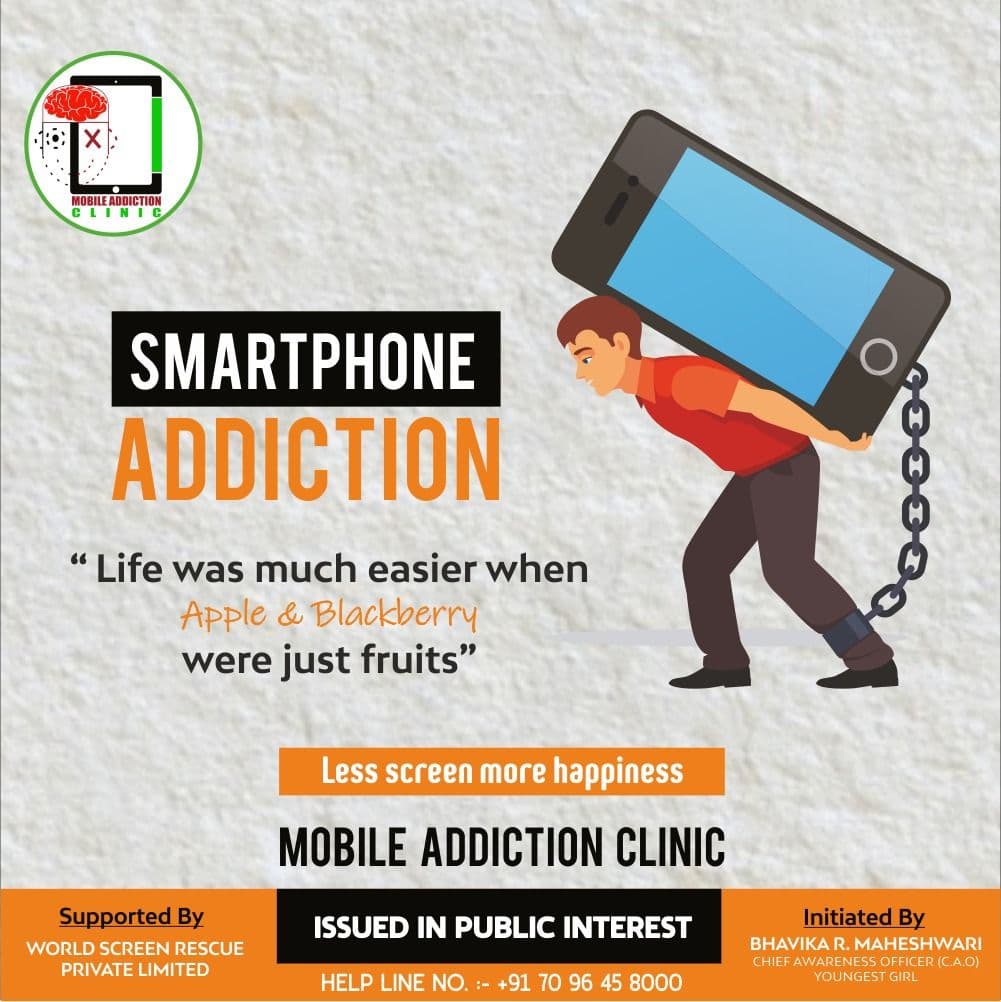
On a quiet campus in the hills outside Boulder, Colorado, a group of teenagers sits in a circle, none of them holding a phone. For most, it is the first time in years they have gone more than a few hours without checking a screen. They are patients at Reconnect, one of a rapidly growing number of residential treatment centers across the United States that specialize in digital addiction.
"When I got here, I couldn't sit still for five minutes without reaching for my phone," said Maya, a 16-year-old from Denver who asked that her last name not be used. "It felt like a part of my body was missing. That's when I realized how bad it had gotten."
An Epidemic in Plain Sight
The number of clinics and treatment programs focused specifically on digital and social media addiction has tripled in the United States since 2023, according to data compiled by the National Institute on Digital Wellness, a nonprofit research organization. There are now more than 180 such programs nationwide, ranging from outpatient counseling services to 30-day residential programs that can cost upward of $40,000.
The surge in demand tracks closely with mounting evidence that excessive screen time — particularly time spent on social media platforms — is taking a measurable toll on mental health. A meta-analysis published in The Lancet Psychiatry in January 2026 synthesized data from 87 studies involving more than 200,000 participants and found statistically significant associations between heavy social media use and increased rates of anxiety, depression, sleep disruption, and attention deficits.
The effects were most pronounced among adolescents and young adults. Individuals aged 13 to 24 who spent more than four hours daily on social media were 2.3 times more likely to report symptoms of clinical depression compared to those who used social media for less than one hour.
Beyond Willpower
Clinicians specializing in digital addiction emphasize that the problem is not simply a matter of poor self-control. Social media platforms and many apps are engineered using behavioral design principles — variable reward schedules, infinite scroll, notification triggers — that exploit the same dopamine pathways targeted by gambling and substance use.
"We're not treating a character flaw," said Dr. Anna Lembke, chief of the Stanford Addiction Medicine Dual Diagnosis Clinic and author of the influential book Dopamine Nation. "We're treating a neurological response to a product that was designed, with enormous sophistication, to be addictive."
Brain imaging studies support this view. Research published by the National Institutes of Health in 2025 showed that heavy social media users exhibit patterns of neural activation in the nucleus accumbens — the brain's reward center — that are structurally similar to those observed in individuals with gambling disorder.
The Treatment Landscape
Treatment approaches vary but generally combine cognitive behavioral therapy, digital literacy education, structured device-free time, and gradual reintroduction of technology with healthy usage patterns. Some programs incorporate outdoor recreation and mindfulness practices to help patients rediscover activities that provide fulfillment without a screen.
At Reconnect, patients spend their first week completely device-free before gradually reintroducing limited, supervised technology use. The program's founder, Dr. Kevin Marsh, said that the initial withdrawal period can be genuinely difficult.
"We see irritability, anxiety, insomnia — symptoms that mirror what you'd see in early-stage substance withdrawal," Dr. Marsh said. "The brain has adapted to a constant stream of stimulation, and when you remove it, there's a real adjustment period."
Insurance coverage for digital addiction treatment remains inconsistent. Most programs are not covered by standard health insurance plans, placing them out of reach for many families. Advocacy groups are pushing for digital addiction to be formally recognized in the Diagnostic and Statistical Manual of Mental Disorders, a step that would likely compel insurers to provide coverage.
Tech Industry Response
The technology industry has responded with a mix of acknowledgment and deflection. Meta, TikTok, and Snapchat have all introduced screen time management features and parental controls in recent years, but critics argue these tools are superficial gestures that do not address the underlying design choices that make their platforms addictive.
"Asking a tech company to make its product less addictive is like asking a tobacco company to make cigarettes less satisfying," said Jim Steyer, founder of Common Sense Media. "The business model depends on engagement, and engagement is a polite word for addiction."
Some states are taking legislative action. New York and California have both introduced bills that would restrict the use of algorithmic recommendation systems for users under 18, a move that platforms have vigorously lobbied against.
Looking Ahead
The rapid growth of the digital addiction treatment industry reflects a broader cultural reckoning with technology's role in daily life. As the evidence linking screen time to mental health outcomes becomes harder to dismiss, the pressure on both policymakers and technology companies to act is intensifying.
For patients like Maya in Boulder, the stakes are immediate and personal. "I'm not anti-technology," she said during a recent session. "I just want to be able to put my phone down and not feel like the world is ending. That shouldn't be this hard."