46,000 Bridges Are Structurally Deficient. America Is Running Out of Time
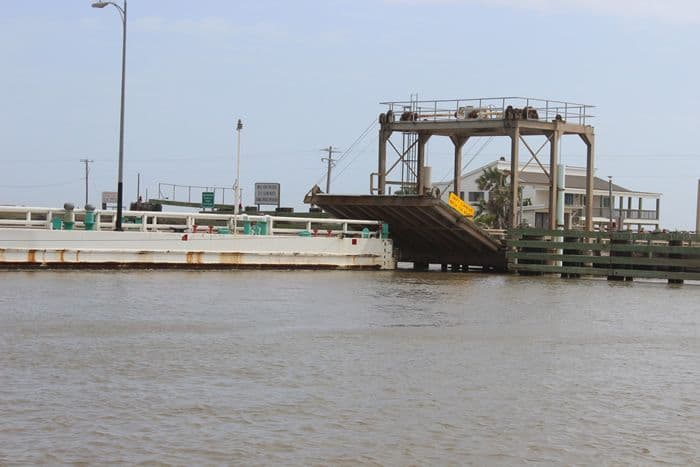
Drive across the Brent Spence Bridge connecting Cincinnati to northern Kentucky during rush hour and you will share the road with roughly 90,000 other vehicles. The bridge was designed to carry 80,000 cars per day when it opened in 1963. It has been classified as functionally obsolete for more than two decades.
The Brent Spence is not an anomaly. It is a symbol. According to the American Society of Civil Engineers, the United States has approximately 46,100 structurally deficient bridges -- structures with significant deterioration to their major components that require increased inspection and, in many cases, weight restrictions or outright closure.
Americans cross these bridges 178 million times every single day.
The Scale of Neglect
The average age of an American bridge is 44 years, and more than 42 percent of all bridges are at least 50 years old. The design lifespan of most bridges built in the mid-twentieth century was 50 years, meaning that a vast swath of the nation's bridge inventory is operating at or beyond its intended service life.
The problem is concentrated but not limited to any single region. Pennsylvania leads the nation with more than 3,300 structurally deficient bridges, followed by Illinois, Missouri, and Oklahoma. But every state has bridges in poor condition, and rural areas are disproportionately affected.
"We are not talking about bridges that might have a problem someday," said Maria Lehman, past president of the American Society of Civil Engineers. "We are talking about bridges that have a problem right now and are getting worse every year."
The Infrastructure Law's Limits
The 2021 Bipartisan Infrastructure Law allocated $40 billion for bridge repair and replacement over five years -- the largest dedicated bridge investment in American history. The funding has been welcomed, but engineers and state transportation officials say it is far short of what is needed.
The American Road and Transportation Builders Association estimates that eliminating the backlog of structurally deficient bridges would cost $319 billion. At current funding levels, it would take more than 40 years to address the existing backlog, during which thousands of additional bridges would deteriorate into the same category.
The math is unforgiving. States repair or replace roughly 4,800 bridges per year. But approximately 5,200 bridges cross the threshold into structurally deficient status annually. The backlog is not shrinking. It is growing.
Weight Restrictions and Detours
The most immediate consequence of bridge deterioration is the imposition of weight restrictions and, in some cases, full closures. More than 6,700 bridges in the United States currently have load restrictions that prevent heavy trucks from crossing, forcing freight onto longer routes that increase fuel costs, delivery times, and wear on alternative roads.
For rural communities, a closed or restricted bridge can be devastating. Emergency response times increase when ambulances and fire trucks must take lengthy detours. School bus routes are disrupted. Farmers cannot move equipment to their fields.
In one widely cited case, the closure of a bridge in rural Iowa added 25 miles to the local volunteer fire department's response route to the nearest hospital. The department estimated that the detour added roughly 20 minutes to critical transport times for cardiac and trauma patients.
Why It Takes So Long
Bridge replacement is not a simple process, even when funding is available. Environmental reviews, permitting, right-of-way acquisition, and public comment periods can stretch the timeline from authorization to construction start to five years or more. Complex projects involving navigable waterways or historic designations take even longer.
The construction industry itself faces constraints. A nationwide shortage of skilled ironworkers, welders, and heavy equipment operators has driven up costs and extended project timelines. Material costs, particularly for structural steel and concrete, have risen sharply since the pandemic.
State departments of transportation also face the difficult task of prioritizing which bridges to fix first. A structurally deficient bridge carrying 100,000 vehicles per day in a major metro area competes for the same funding as a structurally deficient bridge in a rural county where closure would cut off a community's only route to essential services.
The Risk of Catastrophe
The fear that keeps transportation engineers awake at night is not the slow degradation of bridge conditions but the possibility of sudden, catastrophic failure. The 2007 collapse of the I-35W bridge in Minneapolis, which killed 13 people and injured 145, remains a vivid reminder that structural deficiency is not merely an accounting category.
More recently, the 2024 collapse of the Francis Scott Key Bridge in Baltimore after a container ship strike highlighted the vulnerability of aging infrastructure to both chronic deterioration and acute external forces.
Engineers stress that "structurally deficient" does not mean "about to collapse." The designation triggers heightened inspection schedules and, where necessary, load restrictions. But the margin of safety narrows as structures age, and deferred maintenance compounds in ways that are not always visible until failure occurs.
A Test of National Will
The bridge crisis is, at its core, a test of whether the United States can sustain the will to invest in unglamorous but essential public infrastructure. Bridges do not generate headlines when they function properly. They generate headlines when they fail.
The funding gap is large but not insurmountable. What is missing is the political consensus to close it -- a consensus that has historically required tragedy to catalyze. The question is whether the country can summon that will before the next collapse forces the issue.