RISC-V Is No Longer a Hobby Chip Architecture
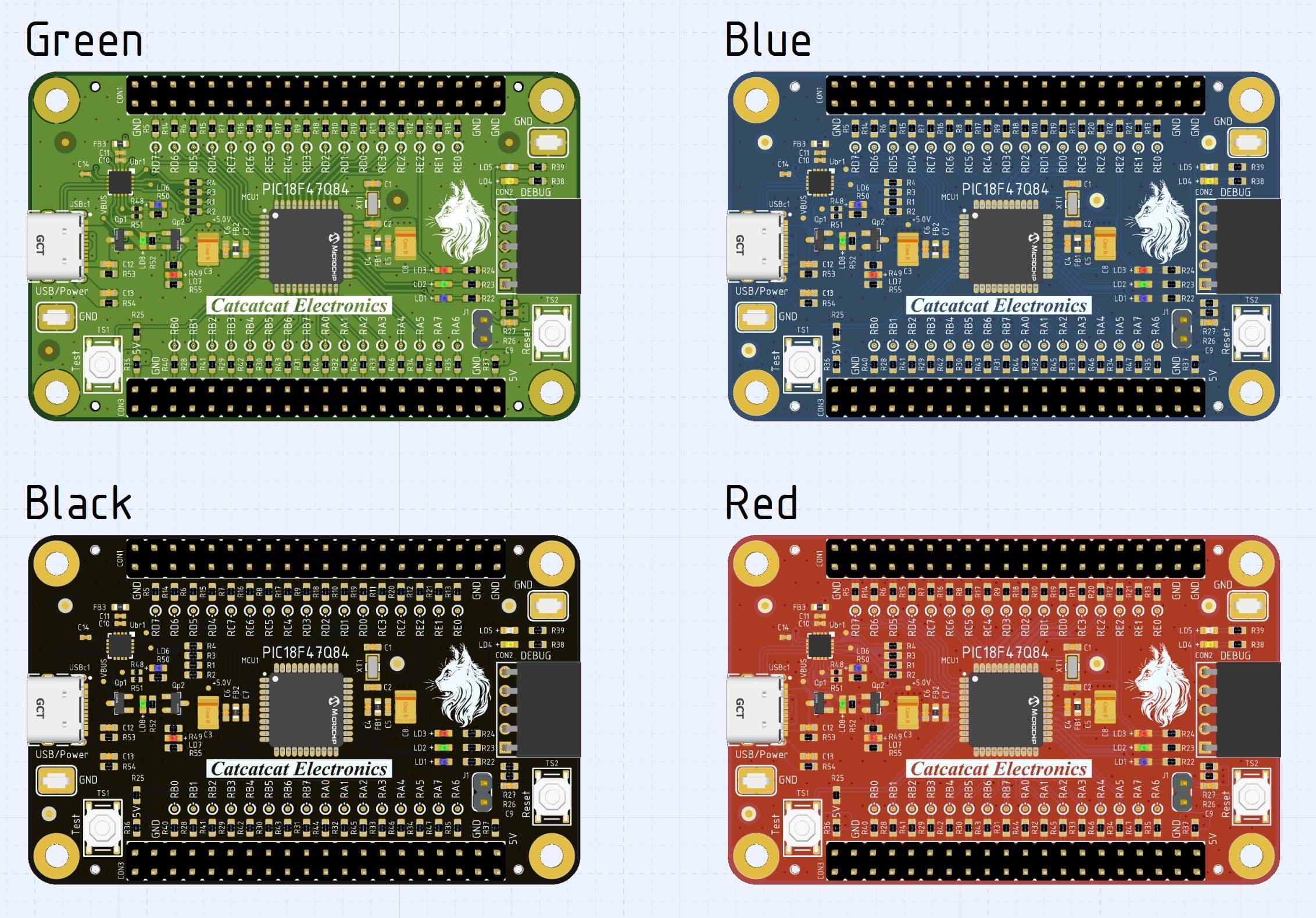
A decade ago, RISC-V was an academic project at UC Berkeley with an elegant idea: an open-source instruction set architecture that anyone could implement without paying licensing fees. In 2026, that idea has become a commercial reality with serious momentum. Over 15 billion RISC-V cores have shipped globally, and the architecture is showing up in places that would have seemed improbable just a few years ago.
From Embedded to Everywhere
RISC-V found its first commercial footing in embedded systems, the tiny microcontrollers inside appliances, sensors, and industrial equipment. These chips do not need the raw performance of an ARM Cortex-A series processor. They need to be cheap, power-efficient, and customizable. RISC-V delivered on all three fronts, and companies like Espressif, SiFive, and WCH began shipping RISC-V microcontrollers by the hundreds of millions.
But the architecture has moved well beyond microcontrollers. Alibaba's T-Head division has deployed RISC-V processors in cloud servers handling production workloads. Qualcomm has integrated RISC-V cores into its modem and IoT chips. Samsung is using RISC-V for the controller chips inside its solid-state drives. NASA has selected RISC-V for its next-generation space computing platform because the open architecture allows custom radiation-hardening modifications.
The Performance Gap Is Closing
The knock against RISC-V has always been performance. ARM has decades of optimization in its high-performance cores, and x86 processors from Intel and AMD remain the standard for heavy compute workloads. RISC-V was seen as fine for low-power embedded work but unsuitable for demanding applications.
That gap is narrowing rapidly. SiFive's P870 core, announced in late 2025, delivers performance competitive with ARM's Cortex-A720 while consuming less power. Ventana Micro's Veyron V2 server processor features 192 RISC-V cores and targets cloud and AI inference workloads, posting benchmark results that put it within striking distance of comparable ARM server chips.
The RISC-V Vector Extension, ratified as part of the standard, brings SIMD-style parallel processing capabilities that are essential for multimedia, machine learning, and scientific computing. Early implementations show that RISC-V vector performance scales efficiently, and the extension's clean design avoids some of the legacy complexity that ARM's SVE and x86's AVX carry.
Why Open Matters
The licensing model is RISC-V's most disruptive feature. ARM charges licensing fees that can run into millions of dollars for high-performance core designs, plus per-unit royalties on every chip shipped. x86 is essentially a duopoly controlled by Intel and AMD. RISC-V charges nothing. The instruction set is an open standard, and anyone can design a processor that implements it.
This openness has geopolitical implications. China has invested heavily in RISC-V as a path to semiconductor self-sufficiency, since the architecture cannot be restricted by export controls in the way that ARM licenses can. The Chinese Academy of Sciences, Alibaba, and dozens of startups are building a domestic RISC-V ecosystem that spans compilers, operating systems, and development tools.
But the appeal extends far beyond any single country. European initiatives like the European Processor Initiative have chosen RISC-V for next-generation high-performance computing chips. India's government has funded RISC-V processor development through the Shakti and Vega projects. The open architecture allows nations and companies to build strategic technology capabilities without depending on foreign IP licenses.
The Software Ecosystem Is Catching Up
Hardware means nothing without software, and RISC-V's software ecosystem was historically its weakest point. That is changing. Linux kernel support for RISC-V is now mature, with all major distributions offering RISC-V builds. Android runs on RISC-V, and Google has committed to maintaining RISC-V as a supported architecture. The LLVM and GCC compiler toolchains produce optimized RISC-V code, and major programming language runtimes including Python, Node.js, and the JVM work on the platform.
The remaining gap is in proprietary software and driver support. Graphics drivers, commercial databases, and specialized enterprise software still lag behind ARM and x86 in RISC-V optimization. But the trajectory is clear: as RISC-V hardware volume grows, software vendors are increasingly treating it as a first-class target.
Challenges Ahead
RISC-V faces real challenges. Fragmentation is a concern because the open nature of the architecture means different vendors can implement different optional extensions, potentially creating compatibility issues. The RISC-V International organization is working to define platform specifications that establish baseline requirements for different use cases, but standardization takes time.
The architecture also lacks the deep bench of optimization expertise that ARM and x86 enjoy. Decades of microarchitectural research have produced ARM cores that squeeze maximum performance from every transistor. RISC-V designs are still climbing that learning curve, and closing the performance gap requires sustained engineering investment.
The Long View
RISC-V is not going to displace ARM or x86 in the near term. But it does not need to dominate to succeed. If RISC-V captures even 20 percent of the processor market over the next decade, it will represent one of the most significant shifts in computing architecture since ARM displaced x86 in mobile devices. The foundation is laid, the momentum is building, and the open model means that no single company controls the pace of innovation.