Apple Vision Pro 2 Rumors: What We Know About the Next-Gen Headset
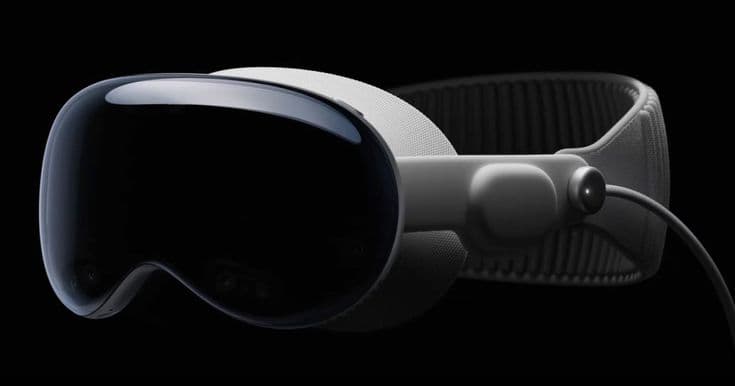
Apple's first Vision Pro headset launched to a mix of awe and pragmatic criticism. The technology was undeniably impressive, but the $3,499 price tag and the weight of the device limited its appeal to enthusiasts and developers. Now, as we move through early 2026, credible rumors are painting a picture of a Vision Pro 2 that addresses nearly every major complaint.
A Lighter, More Comfortable Design
The most consistent rumor across supply chain reports and analyst predictions is a significant reduction in weight. The original Vision Pro weighs approximately 600 grams, which many users found fatiguing during extended sessions. Reports suggest that Apple has managed to bring the Vision Pro 2 down to roughly 400 grams through a combination of new materials and a redesigned internal layout.
Apple is reportedly using a new magnesium-aluminum alloy for the frame and has moved some processing components to an external battery pack, similar in concept to the original but with a more refined design. The external unit is said to double as a portable charger and may include additional computational power for demanding spatial applications.
The display technology is also expected to receive an upgrade, with micro-OLED panels offering higher pixel density and improved brightness. This should help reduce the screen-door effect that some users noticed on the original model, particularly when viewing text at close range.
The Price Question
Perhaps the most anticipated change is the price. Multiple sources indicate that Apple is targeting a starting price between $1,999 and $2,499 for the Vision Pro 2. While still firmly in premium territory, this represents a substantial reduction that could open the door to a much larger customer base.
Apple is reportedly achieving this price reduction through manufacturing efficiencies gained from producing the first generation, a move to a more cost-effective chip design, and strategic choices about which features to include at the base level. There are whispers of a further stripped-down model aimed at consumers, potentially priced below $1,500, though this may arrive later as a separate product line.
Developer Ecosystem Growth
The success of any computing platform depends on its software ecosystem, and Apple has been quietly investing in making visionOS more attractive to developers. The Vision Pro 2 is expected to launch alongside visionOS 3, which reportedly includes new frameworks for collaborative spatial experiences, improved hand and eye tracking APIs, and better integration with existing iOS and macOS applications.
One of the most interesting developments is the growing library of spatial applications in enterprise settings. Companies in architecture, healthcare, and engineering have found genuine productivity benefits from spatial computing, and these professional use cases may drive adoption in ways that consumer entertainment alone could not.
Apple has also been expanding its developer relations efforts, hosting spatial computing workshops and providing hardware loans to studios working on launch titles for the Vision Pro 2. The goal appears to be ensuring a robust app catalog from day one, avoiding the chicken-and-egg problem that plagued earlier headset platforms.
Competition Heats Up
Apple is not operating in a vacuum. Meta continues to iterate on its Quest lineup, with the Quest 4 expected later this year at a fraction of the Vision Pro's price. Samsung and Google have partnered on their own mixed reality platform, and various startups are pushing the boundaries of lightweight AR glasses.
However, Apple's advantage has always been in ecosystem integration. The ability to seamlessly move between an iPhone, Mac, and Vision Pro creates a cohesive experience that competitors struggle to match. If the Vision Pro 2 delivers on the rumored improvements while maintaining this integration, Apple could establish spatial computing as a mainstream product category rather than a niche curiosity.
When to Expect It
Current rumors point to an announcement at WWDC in June 2026, with availability following in the fall. Apple has reportedly been ramping up production with suppliers in East Asia, and component orders suggest the company is planning for significantly higher volumes than the first generation.
Whether you are a developer preparing for the spatial computing future or a tech enthusiast waiting for the right moment to invest, the Vision Pro 2 appears to be the product Apple always intended to build. The first generation proved the concept. The second generation may prove the market.