The Digital Detox Movement in 2026: Reclaiming Your Attention
The average adult now spends over seven hours per day staring at screens. That figure, reported by data analytics firm Statista in early 2026, represents an all-time high and a tipping point. Across the globe, people are pushing back against the constant pull of notifications, feeds, and digital noise. The digital detox movement, once a fringe wellness concept, has become a mainstream cultural force.
Here is what is driving this shift and how you can reclaim your attention in an always-connected world.
Why 2026 Is the Breaking Point
Several factors have converged to make 2026 the year of the digital detox. The saturation of AI-generated content has made social media feeds feel increasingly impersonal and exhausting. Algorithmic intensity has reached new heights, with platforms deploying ever more sophisticated engagement tactics. And a growing body of research has drawn undeniable links between excessive screen time and anxiety, depression, and sleep disruption.
A widely cited study from the American Psychological Association, released in January 2026, found that adults who reduced their recreational screen time to under two hours per day reported a 40 percent reduction in anxiety symptoms within six weeks. The data is no longer ambiguous: our devices are affecting our mental health, and people are starting to take it seriously.
The Rise of Tech-Free Retreats
One of the most visible expressions of the movement is the explosion of tech-free retreats. These range from luxury wellness resorts in Bali and Costa Rica to weekend cabin programs in the Appalachian Mountains and the Scottish Highlands. Guests surrender their devices at check-in and spend their stay engaged in analog activities: hiking, journaling, cooking, conversation, and silence.
Demand has outpaced supply. Major retreat operators like Digital Detox Co. and Camp Grounded report booking increases of over 200 percent since 2024. New entrants are emerging rapidly, with tech-free retreat listings on Airbnb Experiences growing by 85 percent in the past year alone.
The appeal is not just novelty. Participants consistently report profound benefits: improved sleep, deeper interpersonal connections, renewed creativity, and a clearer sense of personal priorities. Many describe the experience as revelatory, a reminder of what life feels like without the constant background hum of digital stimulation.
Screen Time Awareness Tools
For those who cannot escape to a retreat, a new generation of screen time awareness tools is making intentional phone use easier. Apple's updated Screen Time features in iOS 19 now include AI-powered nudges that suggest breaks based on your cognitive fatigue patterns. Android's Digital Wellbeing suite has added a Focus Mode that learns your peak productivity hours and automates notification silencing.
Third-party apps are innovating further. Opal, one of the most popular digital wellness apps of 2026, lets users set granular screen time budgets for individual apps and provides real-time feedback on usage patterns. Another app, Clearspace, adds a brief breathing exercise before opening social media, creating a moment of intentional pause that many users credit with dramatically reducing mindless scrolling.
The Dumb Phone Renaissance
Perhaps the most telling sign of the movement's depth is the resurgence of basic phones. Sales of so-called dumb phones, devices that handle calls and texts but lack app stores and browsers, have surged by 150 percent globally since 2024. Brands like Light Phone and Punkt have moved from niche curiosities to mainstream alternatives, with waiting lists stretching months.
The typical dumb phone adopter is not a technophobe. They are professionals, parents, and creatives who want the utility of a phone without the cognitive tax of a smartphone. Many maintain a smartphone for work during business hours but switch to a basic device for evenings and weekends.
Building Your Own Digital Detox Practice
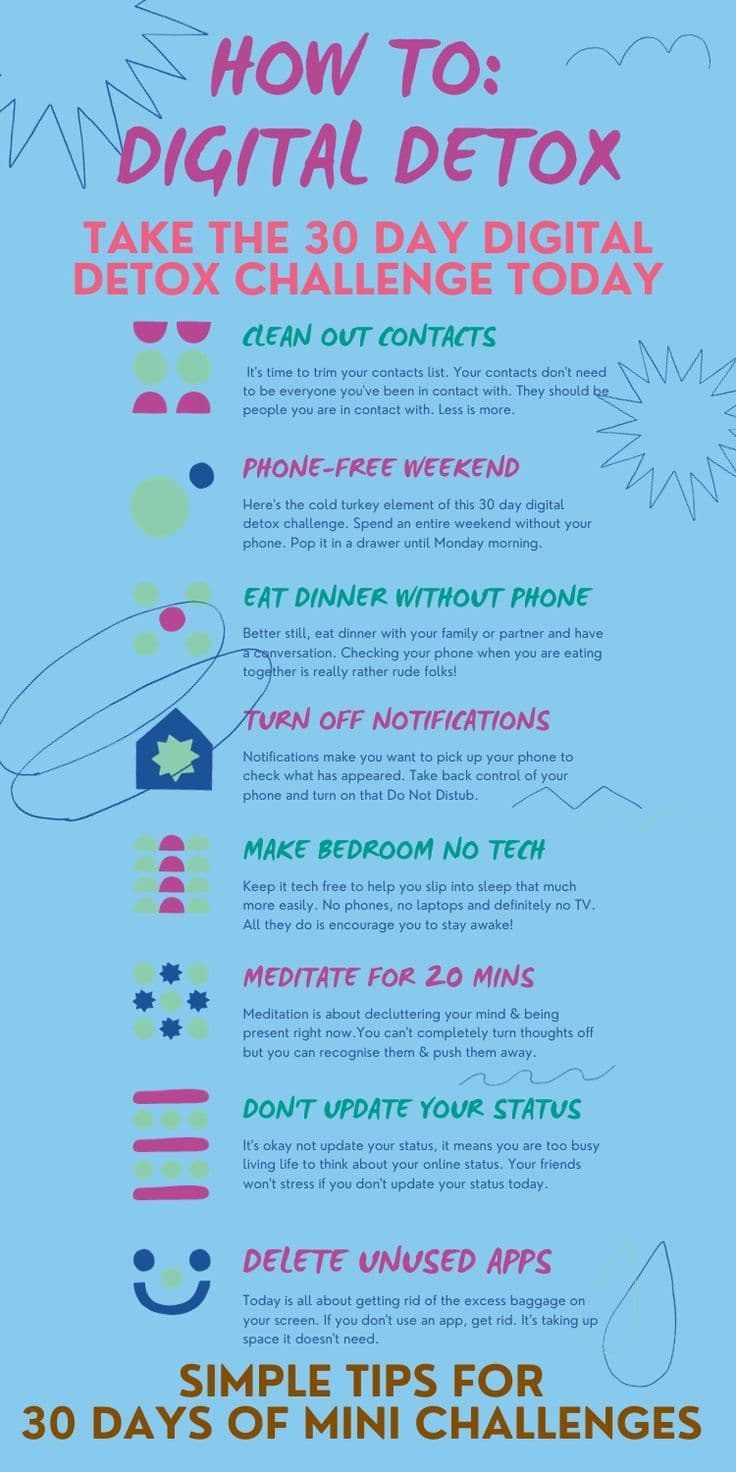
You do not need to go cold turkey or book a retreat to benefit from this movement. Small, consistent changes yield significant results. Start by designating phone-free zones in your home, particularly the bedroom and dining table. Set specific times for checking email and social media rather than responding to every notification in real time. Replace 30 minutes of evening scrolling with reading, walking, or conversation.
The goal is not to reject technology entirely. It is to shift from reactive, compulsive use to intentional, boundaried engagement. When you control your attention rather than surrendering it to algorithms, the benefits ripple outward into sleep quality, relationships, productivity, and overall well-being.
A Cultural Shift in Progress
The digital detox movement in 2026 represents something larger than a wellness trend. It is a collective reckoning with the role technology plays in our lives and a growing consensus that the current default of constant connectivity is unsustainable. The tools, retreats, and practices emerging now are not about going backward. They are about moving forward with greater intention and awareness.
Your attention is your most valuable resource. In 2026, more people than ever are choosing to protect it.