Mediterranean Diet 2026: New Research, Longevity Benefits, and Meal Prep Tips
The Mediterranean diet has been a fixture of nutritional science for decades, consistently ranking as one of the healthiest eating patterns in the world. But 2026 has brought a fresh wave of research that deepens our understanding of why this diet works and how to make it practical for modern life.
From groundbreaking longevity studies to innovative meal prep strategies, here is everything you need to know about the Mediterranean diet in 2026.
What the Latest Research Says
A landmark study published in the Lancet in early 2026, tracking over 25,000 participants across 12 countries over 15 years, delivered some of the strongest evidence yet for the Mediterranean diet's impact on lifespan. Participants who closely adhered to a traditional Mediterranean eating pattern had a 31 percent lower risk of all-cause mortality compared to those following standard Western diets.
The study identified three mechanisms driving these results. First, the diet's high concentration of polyphenols from olive oil, red wine, and colorful vegetables reduces chronic inflammation at the cellular level. Second, the emphasis on omega-3 fatty acids from fish and nuts supports cardiovascular health and cognitive function. Third, the fiber-rich whole grains and legumes promote a diverse gut microbiome, which researchers now consider a cornerstone of long-term health.
Separately, a Harvard-affiliated trial published in Nature Medicine found that participants who switched to a Mediterranean diet for just eight weeks showed measurable improvements in telomere length, a biological marker associated with aging. The implication is remarkable: this diet may slow aging at the genetic level.
Core Principles of the Mediterranean Diet
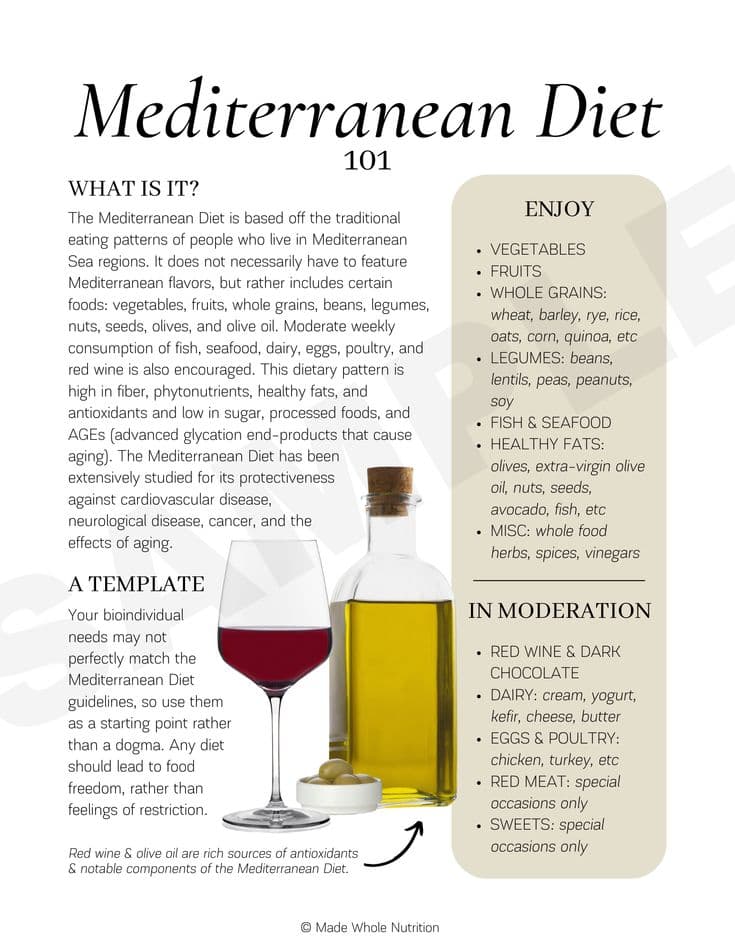
For those new to this eating pattern, the fundamentals remain straightforward. The diet centers on whole, minimally processed foods. Extra virgin olive oil serves as the primary fat source. Vegetables, fruits, legumes, nuts, and whole grains form the foundation of daily meals. Fish and seafood appear several times per week. Poultry, eggs, and dairy are consumed in moderation. Red meat is limited to occasional servings.
What sets the Mediterranean diet apart from restrictive plans is its emphasis on enjoyment. Meals are meant to be shared, savored, and prepared with fresh, seasonal ingredients. There is no calorie counting, no food group elimination, and no rigid meal timing. The approach is inherently sustainable because it does not feel like a diet at all.
2026 Updates and Adaptations
Nutritionists in 2026 are refining the traditional model with a few modern additions. Fermented foods like kefir, kimchi, and naturally fermented pickles are now widely recommended as complements to the traditional diet, reflecting growing research on gut health. Some practitioners are also incorporating specific high-polyphenol foods like purple sweet potatoes and black garlic, which were less common in the original Mediterranean framework but align perfectly with its principles.
Another notable shift is the growing recognition that the Mediterranean diet works across cultural contexts. Researchers at the University of Barcelona published guidelines showing how the diet's principles can be adapted using ingredients native to Asian, African, and Latin American cuisines, making the approach accessible regardless of where you live or shop.
Practical Meal Prep for Busy Weeks
The biggest barrier to the Mediterranean diet has always been time. Cooking from scratch with fresh ingredients can feel demanding for people juggling work, family, and other commitments. Here is a streamlined approach to meal prep that keeps you on track.
Dedicate two hours on Sunday to batch cooking. Prepare a large pot of lentil or chickpea soup, roast a tray of seasonal vegetables with olive oil and herbs, cook a batch of quinoa or farro, and marinate chicken or fish for quick weeknight cooking. Store everything in glass containers and mix and match throughout the week.
Keep your pantry stocked with essentials: canned chickpeas, good olive oil, whole grain pasta, canned sardines, nuts, and dried herbs. These staples transform a bare refrigerator into a Mediterranean meal in under 15 minutes.
Simple Mediterranean Meals to Start With
A few no-recipe-needed meals can anchor your transition. For breakfast, try Greek yogurt with walnuts, honey, and fresh berries. Lunch can be a grain bowl with roasted vegetables, chickpeas, feta, and a lemon-olive oil dressing. Dinner might be baked salmon with a side of sauteed greens and crusty whole grain bread dipped in olive oil.
The beauty of this diet is its flexibility. Once you internalize the core principles, you can improvise confidently with whatever is fresh and available.
The Bottom Line
The Mediterranean diet in 2026 is not a trend; it is the most evidence-backed approach to eating for a long and healthy life. With new research reinforcing its benefits and modern adaptations making it more accessible than ever, there has never been a better time to embrace this way of eating.