The Cold Plunge Craze Has Gone Corporate: How Contrast Therapy Became a $6 Billion Industry
Three years ago, the cold plunge was a backyard hobby for tech bros who listened to too many Andrew Huberman podcasts. Today, it's a $6 billion global industry with dedicated contrast therapy studios opening faster than yoga studios did in the 2010s. The trajectory from fringe biohacking to mainstream wellness has been remarkably fast — and the science is finally catching up to the hype.
The Studio Boom
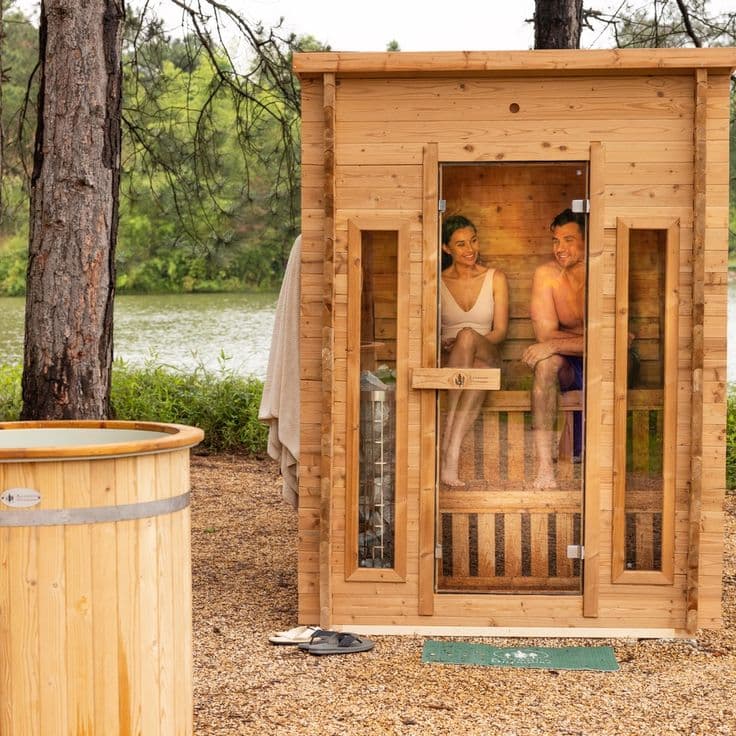
Plunge Studios, the category leader with 340 locations across the US, has become the SoulCycle of recovery wellness. A typical session involves alternating between a 38°F cold plunge pool and a 180°F infrared sauna, with guided breathing exercises between rounds. Sessions last 60 minutes and cost $35-55, with monthly unlimited memberships at $149-199.
Competitors are multiplying rapidly. Othership, which started in Toronto, has expanded to 50 US locations. Contrast Wellness, backed by $80 million in venture funding, is targeting suburban markets that Plunge Studios hasn't reached. Even traditional gyms are responding: Equinox has installed cold plunge pools in all US locations, and Planet Fitness is testing "recovery zones" with cold tubs and saunas in 200 pilot locations.
The home market is equally explosive. Plunge (the product company, distinct from Plunge Studios) has sold over 500,000 of its $5,000-$8,000 cold plunge tubs. Cheaper alternatives from brands like Ice Barrel and The Cold Pod have made entry-level cold exposure accessible for under $500.
What the Science Says
The evidence base for contrast therapy has strengthened considerably, though it remains more nuanced than evangelists suggest. A 2025 meta-analysis in the British Journal of Sports Medicine reviewed 43 studies on cold water immersion and found consistent evidence for reduced muscle soreness after exercise (effect size: moderate), decreased inflammatory markers (IL-6, CRP), and improved subjective recovery scores.
The mental health benefits may be more significant than the physical ones. A University of Portsmouth study found that regular cold water immersion produced measurable increases in norepinephrine and dopamine — neurotransmitters associated with mood, focus, and motivation. Participants reported a 31% reduction in anxiety symptoms and a 24% reduction in depressive symptoms over a 12-week protocol.
Sauna use has an even stronger evidence base. Finnish epidemiological studies spanning decades have associated regular sauna use with reduced cardiovascular mortality (40% lower risk for those using a sauna 4-7 times per week), lower rates of dementia, and improved respiratory health. The combination of heat and cold — contrast therapy — appears to amplify these benefits, though the specific mechanisms are still being studied.
The Skeptics
Not everyone is convinced. Exercise physiologists point out that cold water immersion can blunt the adaptive response to strength training — if you're trying to build muscle, jumping in a cold plunge after lifting may actually impair your results. The timing matters: cold exposure is beneficial for recovery from endurance exercise but potentially counterproductive after resistance training.
Some health professionals worry about the cardiovascular risks of extreme temperature changes, particularly for people with undiagnosed heart conditions. The rapid vasoconstriction caused by cold immersion can temporarily spike blood pressure, and several incidents at home cold plunge setups have been reported — though serious adverse events remain rare.
The Culture
Beyond the health claims, cold plunge culture has become a social phenomenon. Instagram and TikTok are flooded with "ice bath challenge" content. Corporate wellness programs now include contrast therapy sessions as team-building activities. Dating apps report that "cold plunge" has become one of the most-mentioned hobbies in profiles, replacing hiking as the default active-lifestyle signal.
The cultural appeal goes deeper than health optimization. In an era of comfort maximization — food delivery, climate control, entertainment on demand — deliberately choosing discomfort has become a statement of identity. The cold plunge represents a voluntary hardship that signals discipline, resilience, and willingness to embrace the difficult.
Whether that philosophy justifies a $6 billion industry is a question each individual must answer for themselves — preferably while shivering in 38-degree water at 6 AM.