Noise Pollution Is an Overlooked Urban Health Crisis
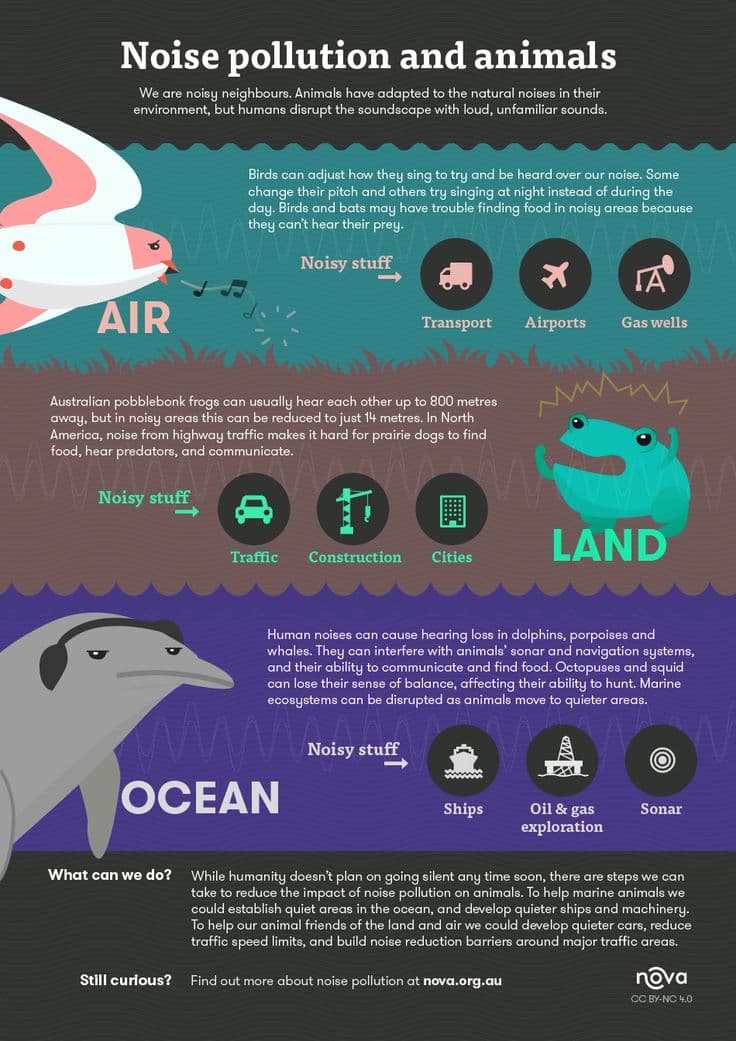
Most people think of pollution in terms of dirty air or contaminated water. But a growing body of research is drawing attention to a pervasive and largely invisible threat: noise. Chronic exposure to urban noise is now linked to a startling range of health problems, from cardiovascular disease to cognitive impairment, and cities around the world are beginning to recognize it as a genuine public health emergency.
The Science of Harmful Sound
The World Health Organization considers environmental noise the second-largest environmental health risk in Europe, behind only air pollution. Its 2025 update to noise guidelines found that long-term exposure to traffic noise above 53 decibels, roughly the level of a normal conversation, is associated with increased risk of heart attack, stroke, and hypertension.
The mechanism is physiological. Even when people are asleep, the body responds to noise with a stress reaction. The autonomic nervous system releases cortisol and adrenaline, blood pressure rises, and inflammation increases. Over years, this chronic stress response contributes to cardiovascular disease, the leading cause of death worldwide.
Recent research has expanded the picture further. A 2025 study published in The Lancet found that children living near major airports scored significantly lower on reading comprehension and memory tests compared to peers in quieter neighborhoods, even after controlling for income and air quality. Another study from the Karolinska Institute linked chronic noise exposure to a 15 percent increase in the risk of developing dementia.
How Loud Are Our Cities
Urban noise levels vary widely, but many cities far exceed WHO recommendations. A 2025 survey by the European Environment Agency found that over 100 million Europeans are exposed to harmful levels of traffic noise. In the United States, the situation is comparable. Cities like New York, Los Angeles, and Chicago regularly record average street-level noise above 70 decibels, well into the range that health experts consider harmful with prolonged exposure.
Construction, air traffic, nightlife, and emergency sirens add to the baseline. In neighborhoods near highways, rail lines, or flight paths, residents may experience sustained noise levels that would require hearing protection in a workplace setting.
Disproportionate Impact
Like most environmental hazards, noise pollution hits hardest in low-income communities and communities of color. A 2024 study from the University of California, Berkeley found that census tracts with predominantly Black and Hispanic populations experienced average noise levels 4 to 7 decibels higher than wealthier, whiter neighborhoods. The reasons include proximity to highways, industrial zones, and airports, combined with less political power to resist noisy infrastructure projects.
This means noise pollution is also an environmental justice issue. The communities with the least resources to mitigate noise exposure, through soundproofing, quieter appliances, or the ability to move, bear the greatest burden.
Cities Fighting Back
Some cities are taking aggressive action. Paris has deployed an innovative noise radar system that uses microphones and cameras to identify and fine excessively loud vehicles, similar to speed cameras. The pilot program, launched in 2025, has already issued thousands of fines and measurably reduced noise on targeted streets.
Barcelona has expanded its superblock program, which converts clusters of city blocks into pedestrian-priority zones with restricted vehicle access. Residents in superblock areas report significant improvements in sleep quality and overall well-being.
In the United States, progress has been slower. Federal noise regulations have not been updated since the Noise Control Act of 1972, and the EPA's Office of Noise Abatement and Control was defunded in 1981. Some cities are acting on their own. New York City introduced stricter noise code enforcement in 2025, and Portland, Oregon has begun requiring noise impact assessments for major development projects.
The Quiet Movement
A growing advocacy movement is pushing for noise to be treated with the same urgency as air pollution. The Quiet Coalition, a nonprofit alliance of scientists and public health advocates, is lobbying for updated federal noise standards and increased funding for research into noise health effects.
Urban planners are incorporating noise reduction into city design through green buffers, sound-absorbing building materials, and traffic calming measures. Electric vehicles, which are significantly quieter than combustion engines at low speeds, offer long-term promise for reducing traffic noise, though tire and road noise remains significant at highway speeds.
The challenge is cultural as much as technical. Noise has been treated as an inevitable feature of city life for so long that many residents do not recognize it as a health threat. Changing that perception may be the first step toward quieter, healthier cities.