Microplastics Found in Human Brain Tissue at Alarming Levels, New Study Reveals
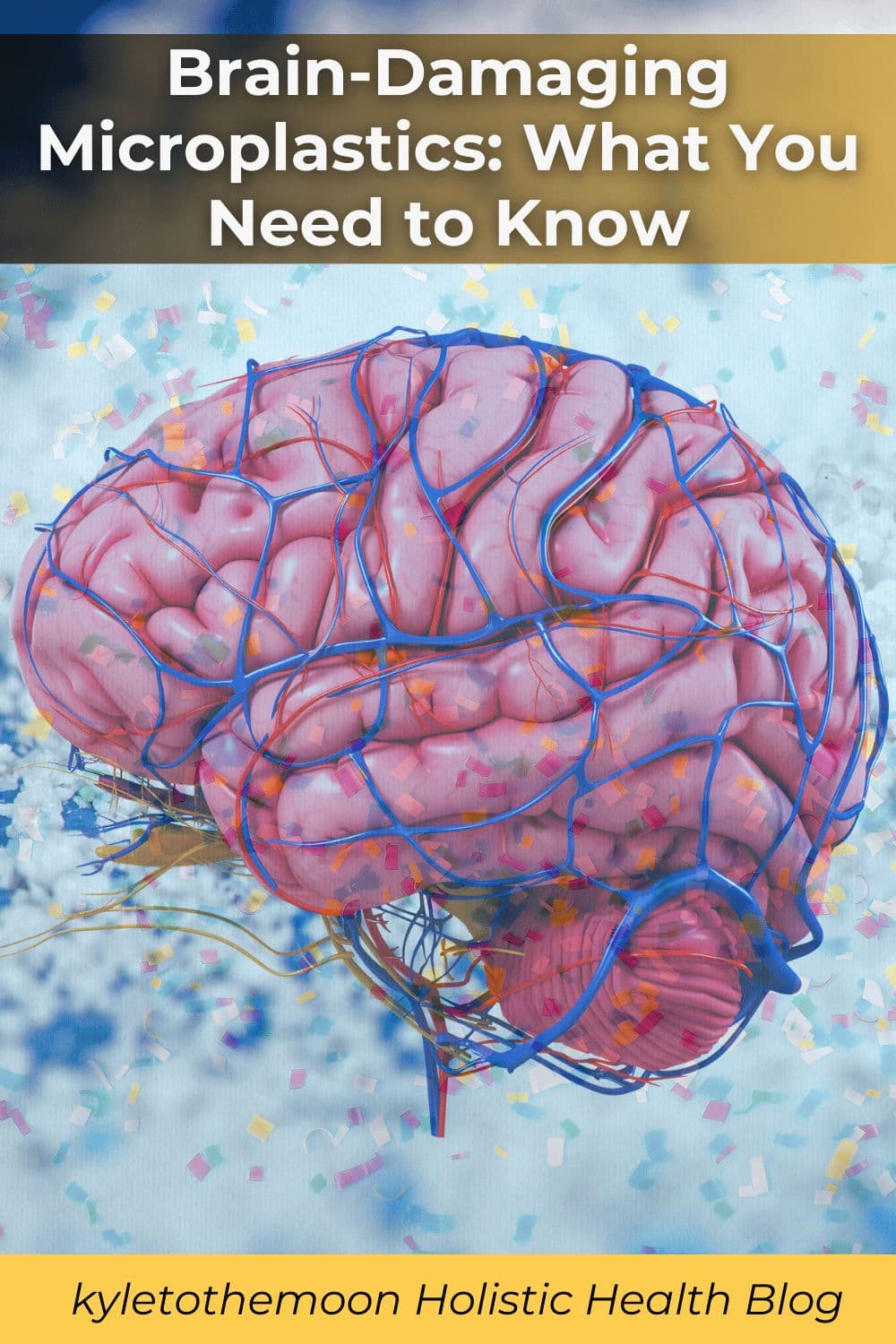
A sweeping new study published in the journal Nature Medicine has found that concentrations of microplastics in human brain tissue have roughly doubled compared to samples collected a decade ago — a finding that researchers say demands immediate attention from public health authorities and policymakers.
The Scale of the Problem
The study, led by Dr. Elena Vasquez at the University of New Mexico, analyzed brain tissue samples from 182 individuals collected between 2024 and 2025, comparing them to archived samples from 2016. The results were stark: average microplastic concentrations rose from approximately 0.5 percent of tissue weight to nearly 1 percent.
"We expected to find an increase, but the magnitude surprised us," Dr. Vasquez said. "These are not trace amounts. We're talking about measurable quantities of synthetic polymer embedded in the most complex organ in the human body."
The most commonly detected plastics were polyethylene, used in packaging and bottles, and polyethylene terephthalate (PET), found in food containers and synthetic clothing fibers. Smaller quantities of polystyrene, nylon, and polypropylene were also present.
How Microplastics Reach the Brain
Previous research has established that microplastics enter the body through food, water, and air. Particles smaller than 10 micrometers can cross the intestinal wall and enter the bloodstream. From there, the smallest particles — nanoplastics measuring less than one micrometer — appear capable of crossing the blood-brain barrier, the protective membrane that normally shields the brain from toxins.
The new study used advanced Raman spectroscopy and mass spectrometry techniques to identify particles as small as 100 nanometers in brain tissue. The researchers found higher concentrations in the frontal cortex and hippocampus, regions associated with decision-making, memory, and emotional regulation.
Potential Health Implications
While the study did not directly measure health outcomes, the findings raise serious concerns. Previous laboratory research has shown that microplastics can trigger inflammation, oxidative stress, and cellular damage in brain cells. Animal studies have linked chronic microplastic exposure to cognitive impairment, anxiety-like behavior, and disrupted neurotransmitter function.
Dr. James Park, a neurologist at Johns Hopkins University who was not involved in the study, said the results are "deeply concerning" even in the absence of confirmed clinical effects.
"We know that chronic neuroinflammation is a risk factor for Alzheimer's disease, Parkinson's disease, and other neurodegenerative conditions," Dr. Park explained. "If microplastics are contributing to that inflammation, even modestly, the long-term public health consequences could be enormous."
Some researchers have also pointed to a possible link between rising microplastic exposure and the documented increase in early-onset dementia cases over the past two decades, though a causal connection has not been established.
Calls for Regulatory Action
The study has reignited calls for stricter regulation of plastic production and waste management. Environmental organizations including Greenpeace and the Plastic Pollution Coalition issued statements urging governments to accelerate the United Nations Global Plastics Treaty, which has been under negotiation since 2022.
In the United States, Senator Lisa Chang of California introduced legislation this week that would require the Environmental Protection Agency to establish maximum permissible levels of microplastics in drinking water — a standard that does not currently exist at the federal level.
"We regulate lead, mercury, and arsenic in our water supply," Senator Chang said. "There is no reason we should not be monitoring and limiting plastic particles that are accumulating in our brains."
The plastics industry pushed back through the American Chemistry Council, which issued a statement cautioning against "premature regulatory action based on a single study" and calling for "a comprehensive, science-based review" before any new rules are implemented.
What Individuals Can Do
While systemic change requires policy action, experts suggest several steps individuals can take to reduce their microplastic exposure. These include avoiding heating food in plastic containers, using water filtration systems rated for microplastic removal, choosing natural-fiber clothing when possible, and reducing consumption of heavily packaged processed foods.
Dr. Vasquez emphasized, however, that individual behavior alone cannot solve the problem. "Microplastics are in the air we breathe, the rain that falls, and the soil our food grows in," she said. "This is a systemic issue that requires a systemic response."
The research team plans to expand its study to examine microplastic levels in other organs and to investigate potential correlations with specific neurological diagnoses. Results from that broader study are expected in late 2026.