Gig Workers Are Unionizing, and It's Changing the Labor Landscape
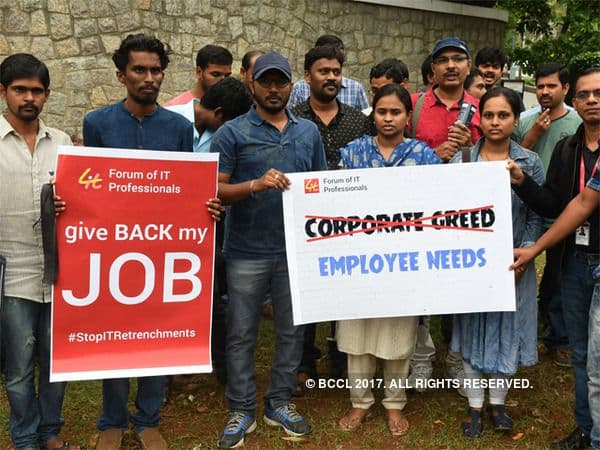
For years, gig economy companies have argued that their workers are independent contractors, not employees. That classification has allowed platforms like Uber, Lyft, DoorDash, and Instacart to avoid providing benefits like health insurance, paid leave, and unemployment insurance. Now, a growing wave of gig worker organizing is challenging that model, and the results are beginning to reshape labor law.
The Organizing Wave
In February 2026, Uber drivers in New York City voted to form the city's first officially recognized rideshare union, affiliated with the Transport Workers Union. The vote, which passed with 68 percent support, capped a three-year organizing effort and gave drivers the right to bargain collectively over pay, working conditions, and deactivation policies.
New York's success followed similar milestones elsewhere. In 2025, delivery couriers in Barcelona formed a union under Spain's Riders' Law, which reclassified platform delivery workers as employees. In the United Kingdom, the Supreme Court's 2021 ruling that Uber drivers are workers rather than independent contractors has led to ongoing negotiations between the company and the GMB union over pay and conditions.
In the United States, the movement extends beyond rideshare. Instacart shoppers in several states have organized informal worker committees, and Amazon Flex drivers in Chicago and Los Angeles have staged work stoppages to protest pay cuts and algorithmic management practices.
Why Now
Several factors have converged to fuel organizing. The pandemic exposed the vulnerability of gig workers, who were classified as essential but received few of the protections afforded to traditional employees. Many worked through illness because they had no paid sick leave and could not afford to stop earning.
Declining pay is another catalyst. Multiple studies have shown that gig worker earnings, after accounting for expenses like gas, vehicle maintenance, and self-employment taxes, have fallen steadily since the mid-2010s. A 2025 study from the Economic Policy Institute found that the median Uber driver in the United States earned roughly $13.50 per hour after expenses, below the federal minimum wage in effective terms.
Algorithmic management has also generated resentment. Workers report being subject to opaque algorithms that determine their pay, assignments, and even whether they can continue working on a platform. Deactivation, the gig economy's equivalent of being fired, can happen without warning or explanation, and workers typically have no meaningful avenue for appeal.
The Legal Battleground
The classification of gig workers remains the central legal question. In the United States, labor law generally requires that workers be classified as employees to receive protections like minimum wage, overtime pay, and the right to unionize under the National Labor Relations Act.
California's Assembly Bill 5, passed in 2019, attempted to reclassify gig workers as employees, but was effectively overturned by Proposition 22 in 2020, which created a third category with limited benefits. A California court ruled parts of Proposition 22 unconstitutional in 2021, and the legal battle continues in 2026.
At the federal level, the Department of Labor issued a revised rule in 2024 that makes it harder for companies to classify workers as independent contractors, but the rule faces legal challenges from industry groups. The outcome of these cases will determine whether millions of gig workers gain access to basic labor protections.
Industry Response
Gig economy companies have invested heavily in fighting reclassification and unionization. Uber, Lyft, DoorDash, and Instacart spent over $200 million on the Proposition 22 campaign in California and have funded similar efforts in other states.
At the same time, some companies have made concessions to head off more sweeping changes. Uber introduced a limited benefits program in several markets, offering accident insurance and some earnings guarantees. DoorDash raised its base pay in response to worker protests. Critics argue these measures are insufficient and are designed to forestall the deeper changes that unionization and reclassification would bring.
What Workers Want
Surveys of gig workers consistently show that most value the flexibility of independent work but want basic protections. The most common demands include a guaranteed minimum hourly rate after expenses, transparent algorithms with the right to appeal deactivation decisions, access to portable benefits like health insurance and retirement savings, and protection against retaliation for organizing.
Some labor advocates propose a new legal category, sometimes called dependent contractor, that would provide core benefits and bargaining rights without requiring full employee classification. Others argue that anything short of full employee status leaves workers vulnerable.
The Broader Implications
The gig worker organizing movement has implications far beyond the platforms themselves. As more industries adopt platform-based and freelance work models, the outcome of the current battles will set precedents for millions of workers across the economy.
Whether gig workers ultimately win the right to bargain collectively, gain employee status, or settle for a new middle category will shape the future of work for a generation. The momentum, for the first time, appears to be on the workers' side.