Weightlifting's Record-Breaking Era: Super Heavyweight Dominance in 2026
The sport of Olympic weightlifting is experiencing a golden age of strength. In the first quarter of 2026 alone, five world records have fallen across various weight classes, with the super heavyweight division commanding the most attention. The numbers being posted by today's elite lifters would have seemed physically impossible just a decade ago.
The Numbers Speak for Themselves
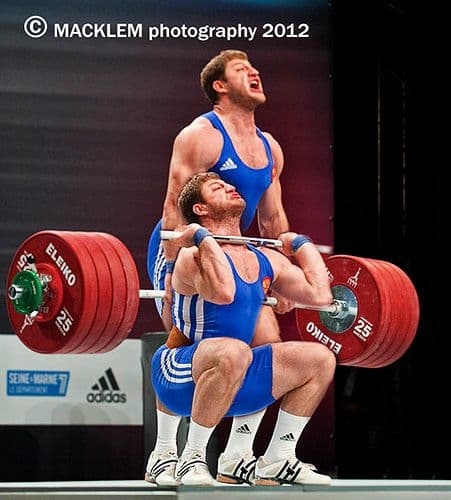
Georgian lifter Lasha Talakhadze held the combined total world record at 492 kilograms for years, a mark many considered untouchable. That changed in January when Iranian sensation Reza Ahmadi posted a combined total of 498 kilograms at the Asian Weightlifting Championships, including a clean and jerk of 270 kilograms that left the arena in stunned silence.
Ahmadi's lift was not just a record; it was a statement. At 24 years old, he represents a new breed of super heavyweight lifter who combines raw power with technical refinement. His snatch technique, often the weaker lift for athletes of his size, is remarkably clean, allowing him to post numbers in both disciplines that few can match in either one.
Training Science Catches Up to Talent
The record-breaking performances of 2026 are not solely the product of genetic gifts. Modern weightlifting programs now integrate biomechanical analysis, velocity-based training, and periodization models borrowed from sports science research. National programs in Iran, China, and Georgia have invested heavily in performance labs where every aspect of a lifter's technique can be measured and optimized.
Nutrition has also evolved dramatically. Gone are the days when super heavyweight lifters simply ate as much as possible to maintain body mass. Today's top athletes work with dietitians who balance caloric surplus with micronutrient timing, ensuring that added bodyweight translates to functional strength rather than excess fat. The result is athletes who are heavier than ever but also faster and more athletic on the platform.
The Clean Sport Question
Weightlifting's relationship with doping has been its greatest burden. The sport nearly lost its place on the Olympic program due to widespread anti-doping violations, and the International Weightlifting Federation has implemented some of the strictest testing protocols in global sport. In 2026, athletes in the top ten of every weight class are subject to unannounced out-of-competition testing at least once per month.
The new records have inevitably prompted questions about whether the sport has truly cleaned up. Officials point to the comprehensive biological passport program and the increased frequency of blood and urine testing as evidence that today's records are legitimate. Athletes themselves have become vocal advocates for clean sport, with several top lifters publicly sharing their testing histories on social media.
Women's Weightlifting Reaches New Heights
While the super heavyweight men grab headlines with eye-popping numbers, women's weightlifting has undergone its own transformation. Chinese lifter Li Wenwen continues to dominate the heaviest women's class, but the depth of competition across all weight categories has never been greater.
Colombian lifters have emerged as a major force, building on the country's tradition of producing world-class athletes in lighter weight classes. Meanwhile, the United States has seen a surge in participation thanks to the crossover appeal of strength training in popular fitness culture. American lifter Olivia Reeves, the 2024 Olympic bronze medalist, has improved her total by 15 kilograms since Paris and now ranks among the favorites for the 2028 Games.
The Road to Los Angeles
Every record set in 2026 carries added significance because it builds toward the 2028 Los Angeles Olympics. Qualification points are now being accumulated at continental championships and World Cup events, and the pressure to perform consistently has intensified rivalries across the board.
The IWF has also confirmed that weightlifting will retain its full complement of weight classes for Los Angeles, ending months of speculation about potential cuts. This decision has provided stability to athletes and national federations planning their Olympic cycles.
A Sport Redefining Its Limits
What makes the current era of weightlifting so compelling is not just the records themselves but the pace at which they are falling. The convergence of athletic talent, scientific training, cleaner competition, and global investment has created conditions for human performance to advance at an unprecedented rate. For fans of pure strength sport, 2026 is delivering moments that will be remembered for decades.