ATP Clay Court Season 2026: The Road to Roland Garros
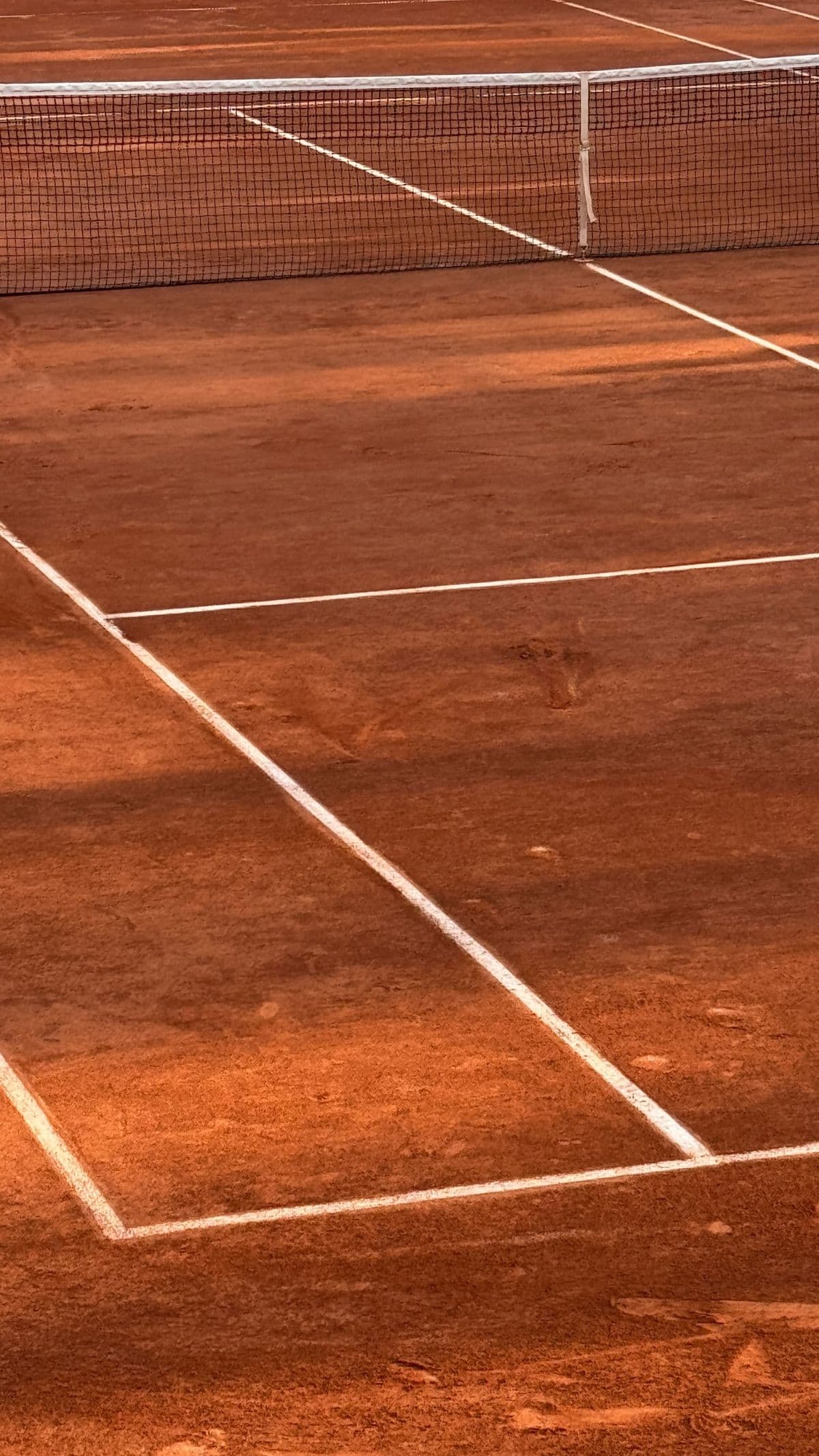
A New Chapter on Clay
The ATP clay court season is upon us, and with it comes the annual pilgrimage towards Roland Garros, the crown jewel of the red dirt swing. The 2026 edition promises to be particularly intriguing as a new generation of players continues to establish itself on the surface that has historically been the most demanding in tennis.
The absence of Rafael Nadal from the competitive circuit has left a void on clay that multiple players are eager to fill. The Spaniard's dominance on the surface was so complete that his retirement has fundamentally altered the dynamics of the clay court season, creating opportunities for a wider group of contenders.
The Contenders
Carlos Alcaraz has emerged as the natural heir to the clay court throne, combining the power and athleticism of the modern game with the touch and tactical intelligence that the surface demands. His ability to construct points and vary his game makes him a formidable opponent on any surface, but clay brings out the best in his game.
Jannik Sinner, the Italian star who has been a dominant force on hard courts, has been working to improve his clay court credentials. His powerful baseline game translates well to the slower surface, and improvements to his movement and point construction on clay have made him a genuine threat at Roland Garros.
Other contenders include a cadre of players who have shown they can compete on clay at the highest level. The depth of talent in men's tennis means that the path to the French Open title is littered with potential banana skins for the top seeds.
The Importance of the Build-Up Events
The Monte Carlo Masters, Barcelona Open, Madrid Open, and Rome Masters form the backbone of the clay court season, providing players with crucial match practice and the opportunity to build form ahead of Roland Garros.
These events have their own prestige and history, attracting strong fields that make them compelling viewing in their own right. Performance in these tournaments is often a reliable indicator of French Open form, with players who arrive in Paris match-sharp and confident typically performing well.
The scheduling of the clay court season also presents challenges for players managing their physical condition. The demands of competing on clay, which requires more sliding, longer rallies, and greater physical exertion than hard courts, can take a toll on bodies already tested by a long season.
Tactical Considerations
Clay court tennis demands a specific set of skills that not all players possess. The ability to slide into shots, construct extended rallies, and maintain focus during long, physically demanding points separates the genuine clay court specialists from those who merely compete on the surface.
Tactical flexibility is also crucial. The best clay court players are able to mix heavy topspin with flatter, more aggressive shots, keeping opponents off balance and preventing them from settling into a rhythm. The serve, while less dominant on clay than on faster surfaces, remains an important weapon for setting up points and applying pressure.
The European Connection
The clay court season holds a special place in European tennis culture. The surface is synonymous with the sport's traditions on the continent, and the major clay court events are deeply embedded in the European sporting calendar.
For Portuguese tennis fans, the clay court season is particularly resonant. Portugal's own tennis tradition has strong connections to the surface, and the proximity of major clay court events in Spain, France, and Italy makes them accessible to Portuguese supporters.
Rising Stars to Watch
Beyond the established names, several younger players have shown flashes of clay court brilliance that suggest they could make an impact at this year's French Open. These emerging talents bring fresh energy and unpredictable styles that can trouble more experienced opponents.
The development pathway for young clay court players has evolved in recent years, with academies placing greater emphasis on surface-specific training and tactical education. The results of this investment are beginning to show on the professional tour.
The Road Ahead
As the clay court season unfolds, each tournament will provide fresh storylines and shift the narrative heading into Roland Garros. The player who arrives in Paris with the best combination of form, fitness, and confidence will be well placed to claim one of tennis's most coveted prizes. The red dirt awaits.