Padel Tennis in 2026: The World's Fastest-Growing Sport Shows No Signs of Slowing
Five years ago, most sports fans outside of Spain and Argentina had never heard of padel. Today, it is played in over 90 countries, boasts an estimated 30 million active participants, and has attracted investment from some of the biggest names in sports and entertainment. The trajectory of padel tennis in 2026 reads like a case study in how a sport can explode from regional pastime to worldwide phenomenon.
The Professional Tour Unifies
The biggest development for professional padel in 2026 is the merger of the two competing tour structures into a single unified circuit. The Premier Padel Tour, backed by the International Padel Federation and Qatar Sports Investments, had been running parallel to the World Padel Tour for several contentious years. The unification deal, finalized in late 2025, creates a single ranking system and calendar that eliminates the confusion that fractured the sport's professional landscape.
The merged tour features 24 events across five continents, with total prize money exceeding 15 million dollars. While still modest compared to tennis, the figures represent a dramatic increase from just three years ago and signal serious institutional commitment to the sport's future.
Spanish Dominance Faces Challenges
Spain has been padel's dominant force since the sport's inception, but 2026 is revealing cracks in that supremacy. Argentine pair Franco Stupaczuk and Martin Di Nenno have emerged as consistent challengers to Spanish duos at the top of the rankings, bringing a more aggressive, power-oriented playing style that has forced established teams to adapt.
The women's game has seen an even more significant shift, with Brazilian and Italian pairs breaking into the top ten for the first time. Italy's growth in padel has been particularly rapid, with the country now boasting over 8,000 courts and a national league that attracts sell-out crowds in Milan and Rome.
The Infrastructure Boom
The physical footprint of padel is expanding at a staggering rate. In 2025 alone, an estimated 12,000 new padel courts were built worldwide, with the United Kingdom, United States, and Middle East leading the construction boom. The sport's relatively small court size and lower construction cost compared to tennis make it attractive for developers and municipalities looking to maximize recreational space.
In the United States, padel has found particular traction in Texas, Florida, and Southern California, regions with existing racquet sport cultures and climates suited to outdoor play. Several former tennis facilities have been converted to padel, a trend that has caused friction within the tennis community but reflects market demand.
The Middle East has emerged as padel's most aggressive growth market. Saudi Arabia's Vision 2030 sports investment program has allocated significant funding to padel infrastructure, and the kingdom hosted its first Premier Padel tournament in Riyadh to capacity crowds. Dubai and Abu Dhabi have similarly embraced the sport, with luxury padel clubs becoming social hubs for the region's affluent communities.
Why Padel Appeals
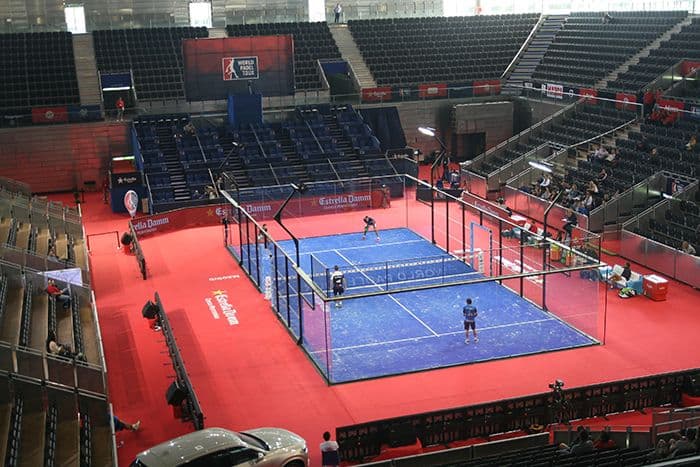
Understanding padel's growth requires understanding its unique value proposition. The enclosed glass court means rallies last longer than in tennis, making the sport immediately enjoyable for beginners. The underhand serve eliminates the steep learning curve that discourages many recreational tennis players. And the doubles-only format creates a social dynamic that has made padel particularly popular among friend groups and corporate team-building events.
For more advanced players, padel offers tactical depth that rewards intelligence over raw power. The use of walls introduces angles and shot selections that have no equivalent in other racquet sports, and the best professional players display a creativity that captivates spectators even in person at small venues.
Celebrity Investment and Media Growth
The investment landscape around padel reads like a sports business fever dream. Football stars including Lionel Messi, Neymar, and David Beckham have invested in padel clubs and tournament franchises. The involvement of high-profile athletes has brought media attention and social media reach that the sport could never have generated through competition results alone.
Broadcasting deals have followed the investment. Major streaming platforms now carry live professional padel, and highlight clips regularly generate millions of views on social media. The sport's fast-paced, wall-bouncing action translates exceptionally well to short-form video content, making it ideally suited for the consumption habits of younger audiences.
The Road Ahead
Padel's ambitions for the remainder of 2026 include a push for Olympic recognition and the launch of a mixed-gender team competition modeled after tennis's United Cup. Whether the sport can sustain its current growth rate remains an open question, but the combination of accessibility, social appeal, and professional investment suggests that padel has moved well beyond the fad stage. It is here to stay.