Ironman 2026: The Battle for Kona Returns with a Vengeance
After two years of splitting the men's and women's Ironman World Championship between Kona, Hawaii, and Nice, France, the sport's most prestigious event is consolidating back to its spiritual home on the Big Island. The 2026 edition promises to be the most competitive in history, with qualifying standards tightened and a new generation of triathletes ready to challenge the established order.
Kona's Unmatched Mystique
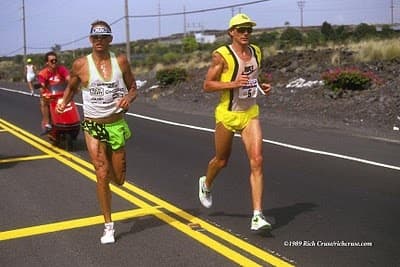
There is no venue in endurance sport quite like the Kona coast. The barren lava fields, punishing crosswinds on the Queen K Highway, and tropical heat create conditions that have humbled even the fittest athletes on Earth. For decades, the Ironman World Championship was synonymous with this single location, and its temporary split to Nice created an identity crisis that organizers are eager to put behind them.
The return to a unified Kona race means that every age-group qualifier and professional athlete will compete on the same course, on the same day. The logistical challenges are significant, with over 2,500 athletes expected to take the start in Kailua Bay, but the payoff is a race day atmosphere that no other triathlon can replicate.
The Professional Men's Field
Norwegian superstar Kristian Blummenfelt remains the man to beat. His ability to exit the swim with the leaders, ride with controlled power, and then run a sub-2:40 marathon off the bike makes him the most complete Ironman athlete of his generation. But Blummenfelt has been pushed hard in recent races by German Jan Frodeno's protege, Florian Angert, whose breakthrough 2025 season saw him win Ironman Frankfurt in a course record time.
The wildcard entry is Sam Laidlow, the French athlete who led Kona for much of the 2023 race before fading on the run. Laidlow has since restructured his training to address his marathon weakness, spending months working with elite running coaches in Kenya. Early season results suggest the investment has paid dividends.
Women's Racing Reaches a Peak
The women's professional field may be even more compelling than the men's. Swiss athlete Daniela Ryf, a four-time Kona champion, announced that 2026 will be her final season, adding a narrative arc to every race she enters. Standing in her way is British powerhouse Lucy Charles-Barclay, whose swimming prowess gives her a consistent early advantage that few can overcome.
American Taylor Knibb continues to blur the line between short-course and long-course triathlon, competing at the highest level in both formats. Her versatility is unmatched, but the specific demands of a full Ironman distance race in Kona's heat remain her biggest test. If Knibb can manage her pacing through 180 kilometers of cycling and a full marathon, she has the raw talent to win.
Qualifying Standards and Controversy
The tightened qualifying standards for 2026 have generated debate within the triathlon community. Age-group athletes now need faster finish times to earn their Kona slot, a change that organizers say reflects the sport's growth and the need to manage field sizes. Critics argue that the new standards disproportionately affect athletes in regions with fewer qualifying races, creating an uneven playing field.
The professional qualifying series has also been restructured, with athletes needing to complete at least two full Ironman distance races in the qualifying window. This requirement is designed to ensure that Kona starters have proven they can handle the full distance, but it adds physical strain to an already demanding season.
Nutrition and Heat Strategy
Racing in Kona's conditions requires meticulous preparation that goes far beyond fitness. Athletes typically spend weeks acclimatizing to heat and humidity, using sauna protocols and indoor training sessions in heated rooms. Nutrition strategies are equally critical, with competitors consuming upwards of 90 grams of carbohydrates per hour during the bike leg to fuel the demands of the marathon that follows.
Recent advances in hydration science have introduced personalized sweat rate testing, allowing athletes to tailor their fluid intake to their individual physiology. This precision approach has reduced the incidence of hyponatremia and dehydration-related collapses that once plagued the Kona run course.
The Endurance Sport Spectacle
The Ironman World Championship remains one of the great tests in all of sport. Covering 3.86 kilometers of open water swimming, 180 kilometers of cycling, and a full 42.2-kilometer marathon, it demands excellence across three disciplines and the mental fortitude to push through hours of discomfort. The 2026 edition, with its unified field and stacked professional roster, is shaping up to be a race that defines the next chapter of triathlon history.