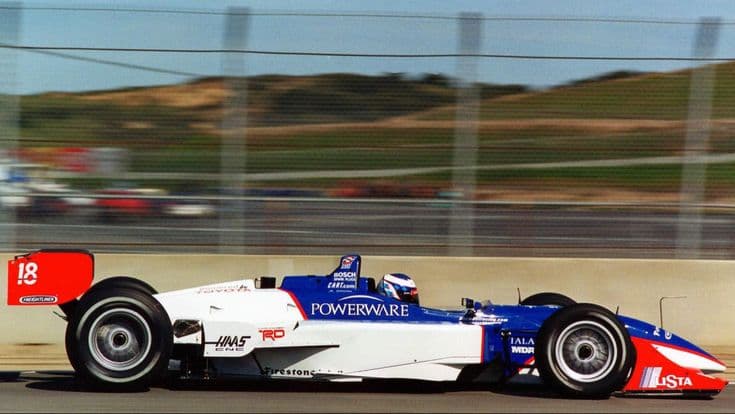
IndyCar 2026: The Hybrid Era Begins as American Open-Wheel Racing Reinvents Itself
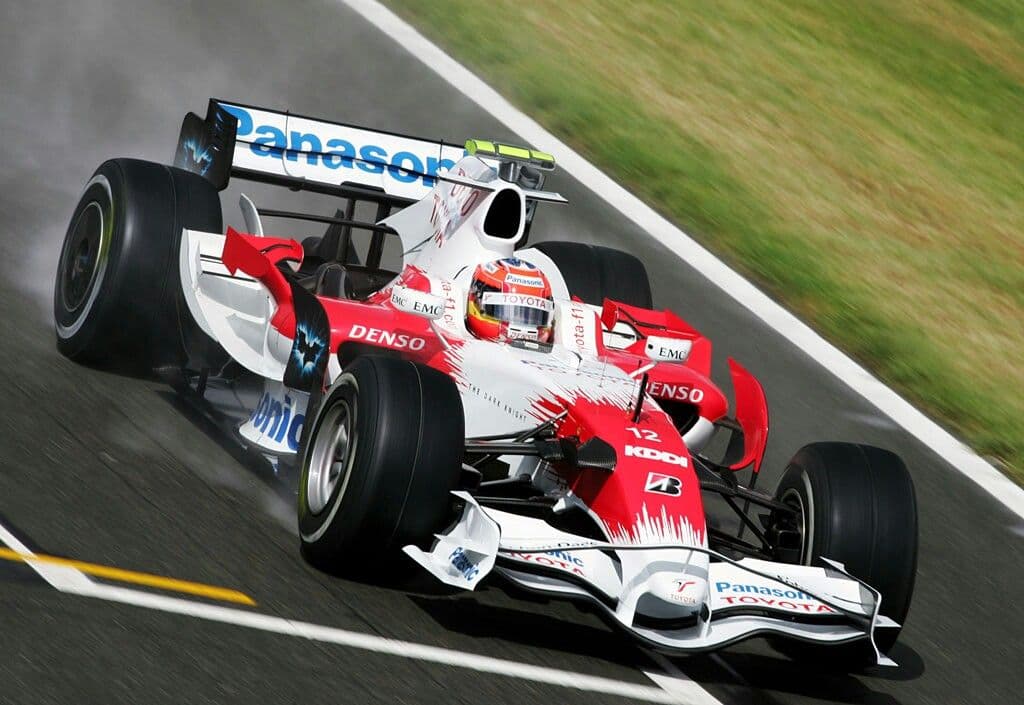
The 2026 IndyCar season represents the most significant technical evolution in the series' modern history. After years of development and repeated delays, the new hybrid power unit era has finally arrived, bringing with it a third manufacturer, revised aerodynamic regulations, and a renewed sense of optimism about American open-wheel racing's future.
The New Power Units
At the heart of the 2026 transformation is the 2.4-liter twin-turbocharged V6 engine paired with an electric hybrid system capable of deploying approximately 100 kilowatts of additional power. The hybrid element introduces a strategic dimension previously absent from IndyCar racing. Drivers can deploy the electric boost on straightaways for overtaking or defend positions by harvesting energy through regenerative braking in corners.
Honda and Chevrolet remain the primary engine suppliers, but the headline news is the arrival of a third manufacturer. After months of speculation, Hyundai confirmed its entry into IndyCar through its Genesis performance brand, bringing factory-backed resources and engineering expertise honed through its World Rally Championship program. The three-way manufacturer battle promises closer competition and faster development cycles than the two-horse race of previous seasons.
The Driver Lineup
IndyCar's 2026 grid features a blend of established champions and emerging talent that makes it arguably the most competitive field in the series' history. Spaniard Alex Palou, the two-time champion, leads Chip Ganassi Racing's challenge with the consistency and racecraft that have defined his career. His teammate Marcus Armstrong, the former Formula 2 frontrunner, provides a fascinating dynamic within the team.
Team Penske remains formidable with Scott McLaughlin, the Australian touring car champion turned IndyCar star, anchoring a lineup that includes American Colton Herta, whose raw speed has long been considered among the best in the paddock. Herta's move from Andretti to Penske during the offseason was the biggest driver market story and adds intrigue to every race they contest.
Andretti Global, now running the Genesis factory program, has staked its future on youth. Former Formula 2 champion Theo Pourchaire leads the team alongside American prodigy Josh Green, a 20-year-old Road to Indy graduate who dominated the Indy NXT series in 2025. The Andretti-Genesis partnership is the team's most significant manufacturer relationship in years and carries enormous expectations.
The Indianapolis 500
Everything in IndyCar ultimately orbits the Indianapolis 500, and the 2026 running of the Greatest Spectacle in Racing carries added significance as the first Indy 500 with hybrid power. The tactical implications are substantial. The hybrid system's energy management adds a layer of strategy to pit stop calculations, and the additional power on the long Speedway straights could produce higher speeds than ever recorded.
The 500 will also mark the 110th anniversary of the event, and Indianapolis Motor Speedway has planned festivities that include appearances by former champions, expanded spectator areas, and a pre-race concert headlined by a major artist. The combination of tradition and technological innovation encapsulates everything that makes the Indy 500 unique in motorsport.
Street Circuits and Schedule Changes
The 2026 calendar features 17 races, including two new street circuit additions. A race through downtown Nashville returns after a hiatus, capitalizing on the city's booming sports and entertainment scene. A new event in Miami joins the schedule, running on a purpose-designed street circuit near the waterfront that organizers hope will attract the lifestyle audience that Formula 1 has cultivated at its Miami Grand Prix.
The addition of glamorous street circuits reflects IndyCar's ambition to compete with Formula 1 for mainstream attention in the American market. While the two series operate at different scales, IndyCar's on-track racing product is widely considered superior, with closer competition and more overtaking than its European counterpart. The challenge has always been translating that racing quality into commercial and media visibility.
Financial Health and Broadcast Reach
IndyCar's financial trajectory in 2026 is positive. The series signed a new domestic television deal that splits coverage between network and cable, ensuring that marquee events including the Indy 500 remain accessible to the broadest possible audience. Streaming rights provide supplementary revenue and reach younger demographics who have abandoned traditional television.
Team budgets have grown alongside the series' commercial health, with top teams now operating at annual budgets exceeding 25 million dollars. While still a fraction of Formula 1 spending, the increased investment has raised the engineering and operational standards across the grid. The entry of Genesis as a manufacturer has also provided financial stability to the teams it partners with.
A Defining Season
The 2026 IndyCar season is more than a schedule of races; it is a statement of intent. The hybrid technology signals relevance in an era of automotive electrification. The third manufacturer brings competitive depth. The driver talent pool has never been richer. If IndyCar can execute on its potential this season, it has a genuine opportunity to reclaim its place among the world's premier motorsport championships.