Plant-Based Fine Dining Has Entered Its Michelin Era
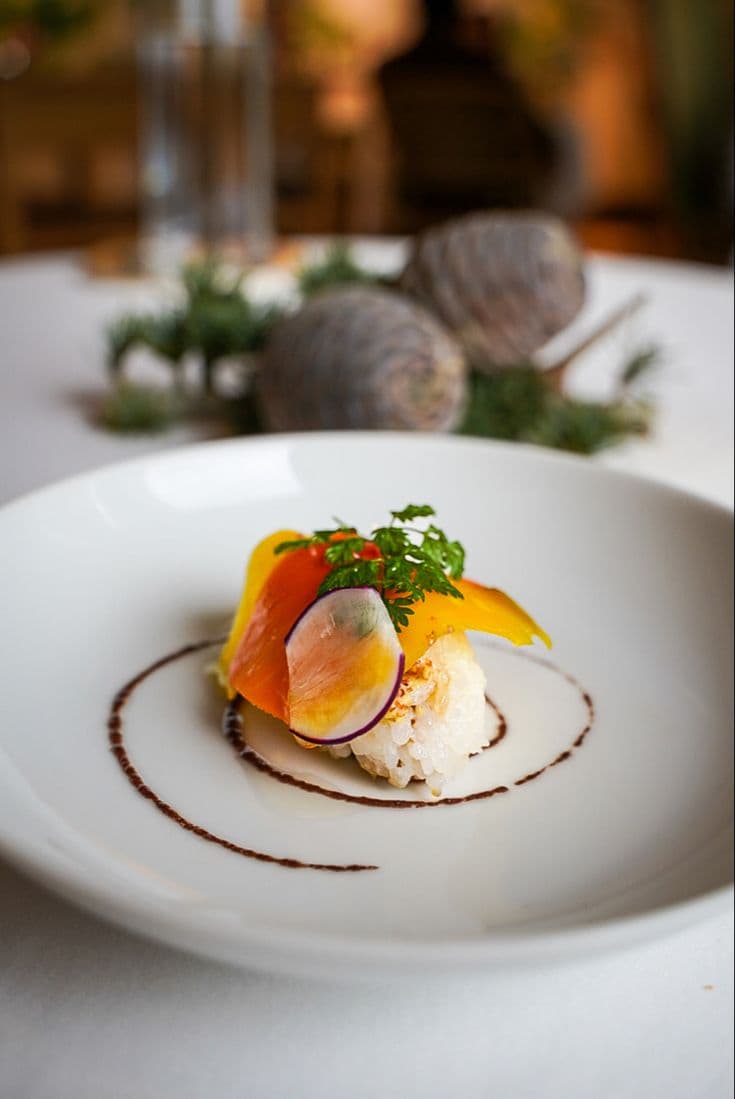
There was a time, not long ago, when a plant-based tasting menu at a serious restaurant would have been treated as a curiosity at best. That era is definitively over. In the 2026 Michelin Guide releases, 14 exclusively plant-based restaurants worldwide hold one or more stars, up from just three in 2021. The shift represents not just a change in dining trends but a fundamental rethinking of what constitutes culinary excellence.
The transformation has been driven not by ideology but by craft. The chefs leading this movement are not trying to replicate steak. They are creating entirely new categories of flavor and texture that happen to come from plants, and the results are turning heads in the most traditional kitchens on earth.
Beyond the Impossible Burger
The first wave of plant-based dining was defined by imitation. The goal was to make plants taste, look, and feel like meat. Products like Impossible Burger and Beyond Meat brought this approach to the mass market with remarkable success. But in the fine dining world, imitation was always a dead end.
"Trying to make a carrot taste like a ribeye is a losing proposition," says Chef Elena Reyes, whose plant-based restaurant Verdure in San Francisco earned its first Michelin star in 2025. "The moment we stopped trying to replicate and started exploring what vegetables could do on their own terms, everything changed."
The Technique Revolution
What distinguishes the current generation of plant-based fine dining is the application of advanced culinary techniques to ingredients that were previously treated as side dishes. Whole vegetables are dry-aged for weeks, developing deep umami flavors that rival well-hung beef. Fermentation programs that would be familiar in a cheese cave are applied to nuts, seeds, and legumes to create complex flavor profiles impossible to achieve through traditional cooking.
Koji, the mold used in Japanese soy sauce and miso production, has become a particular obsession. Chefs are using it to develop amino-rich glazes, fermented pastes, and aged preparations from everything from chickpeas to sunflower seeds. The flavors produced are genuinely novel, neither imitating animal products nor resembling traditional vegetable cookery.
The Economics of Plants
Restaurant economics have played an underappreciated role in the plant-based fine dining boom. Protein costs, always among the largest line items for high-end restaurants, have risen dramatically since 2023. Premium beef, sustainable seafood, and heritage poultry now command prices that make even luxury establishments wince.
Vegetables, grains, and legumes remain comparatively affordable, even when sourced from premium farms. A restaurant that builds its menu around plants can either pocket the margin difference or invest it in higher-quality produce, more kitchen labor for complex preparations, or lower menu prices that attract a broader clientele. Many are choosing all three.
The Supply Chain Advantage
Plant-based restaurants also benefit from simpler, more resilient supply chains. A kitchen that relies on six varieties of heirloom tomatoes from local farms is less vulnerable to the disruptions that have plagued animal protein supply chains in recent years than one dependent on imported wagyu or wild-caught Dover sole.
Several of the most acclaimed plant-based restaurants have developed direct partnerships with small farms, some going so far as to operate their own growing programs. This farm-to-table connection, genuine rather than performative, gives chefs access to ingredients at peak quality and varieties that never appear in conventional distribution.
What the Critics Are Saying
The critical reception has been revelatory. Restaurant reviewers who once treated plant-based menus as obligatory nods to dietary trends are now writing about them with genuine excitement.
The New York Times food section named a fully plant-based restaurant its Restaurant of the Year for the first time in 2025. The review made no mention of what was missing from the menu, focusing instead on what was present: "extraordinary depth of flavor, technical precision, and a sense of discovery that has become vanishingly rare in a dining scene prone to repetition."
The Diner Perspective
Perhaps the most telling indicator is who is filling these restaurants. Operators report that the majority of their guests are not vegetarians or vegans. They are food enthusiasts drawn by the quality of the cooking and the novelty of the experience.
"Our reservation data shows that maybe 15% of our guests identify as plant-based at home," says Marcus Villanueva, general manager of the two-starred Botanik in Copenhagen. "The rest are simply people who love great food and are curious about something genuinely different."
Challenges Remain
The movement is not without its struggles. Seasonality presents a significant challenge for plant-based fine dining. While a conventional restaurant can serve the same steak year-round, a vegetable-driven menu must reinvent itself with every growing season. This demands extraordinary creativity and a willingness to develop entirely new dishes every few months.
There is also the perception gap. Despite the critical acclaim, plant-based fine dining still struggles to command the same price points as conventional tasting menus. Diners who happily pay $350 for an omakase experience balk at $200 for a plant-based tasting menu, even when the technique and sourcing involved are equally demanding.
A Permanent Shift
The question of whether plant-based fine dining is a trend or a permanent feature of the culinary landscape appears increasingly settled. The combination of culinary innovation, economic logic, environmental urgency, and genuine consumer demand suggests that plants have earned their place at the top of the gastronomic hierarchy. The chefs who got there first are no longer seen as outliers. They are increasingly recognized as the vanguard.