Sleep Science Breakthroughs in 2026: What New Research Reveals
Sleep has always been essential, but we are only now beginning to understand just how profoundly it shapes every aspect of our health. The year 2026 has brought a wave of sleep science breakthroughs that are changing how researchers, doctors, and everyday people think about rest. From deeper insights into circadian biology to a new generation of sleep technology, the science of sleep is advancing rapidly.
Here is what you need to know and how to apply it tonight.
The Circadian Rhythm Revolution
The most consequential research of 2026 centers on the body's internal clock. A team at Stanford University published a landmark paper in Science revealing that circadian rhythms regulate not just sleep-wake cycles but also immune function, metabolic efficiency, and even emotional regulation. The study identified over 200 genes whose expression is timed to specific hours of the day, suggesting that when you eat, exercise, and work matters almost as much as what you do.
The practical implication is significant. The researchers found that aligning daily activities with your natural chronotype, whether you are a morning person, an evening person, or somewhere in between, can improve sleep quality by up to 25 percent without any other intervention. Simply eating dinner three hours before bed and exercising during your peak energy window made a measurable difference in participants' sleep architecture.
This research also challenges the one-size-fits-all approach to sleep advice. The traditional recommendation of going to bed at 10 PM may be ideal for morning chronotypes but counterproductive for evening types. Personalized sleep schedules, informed by individual biology, are emerging as the new standard.
New Understanding of Deep Sleep
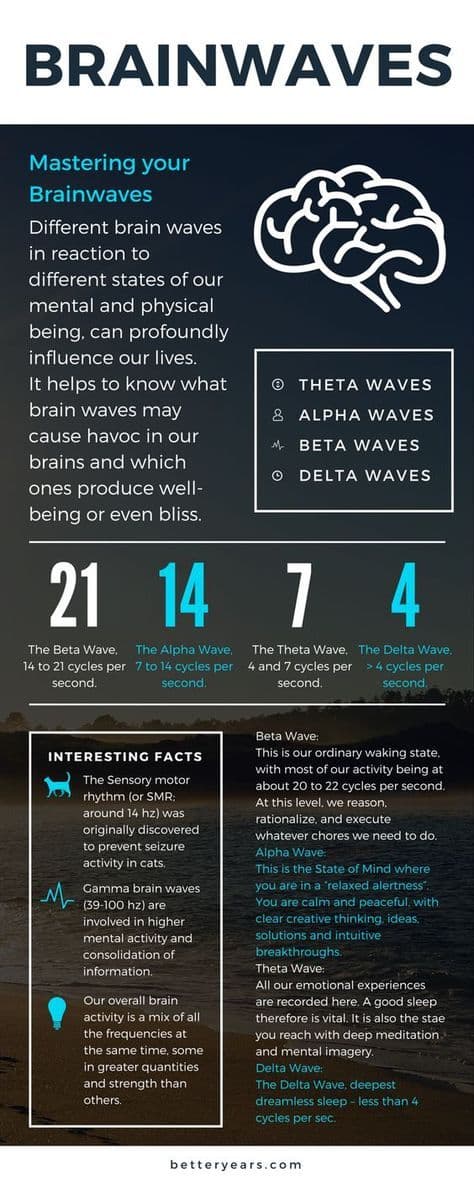
Deep sleep, also known as slow-wave sleep, has long been recognized as the most restorative phase of the sleep cycle. But a 2026 study from the University of Zurich uncovered a new function: deep sleep is when the brain's glymphatic system is most active, flushing out toxic proteins including beta-amyloid, which is associated with Alzheimer's disease.
The study found that participants who consistently achieved at least 90 minutes of deep sleep per night showed 45 percent lower accumulation of these proteins over a five-year period. This finding has elevated deep sleep from a general health recommendation to a specific neuroprotective strategy.
Increasing deep sleep is not as straightforward as sleeping longer. The research points to several evidence-based strategies: maintaining a cool bedroom temperature between 60 and 67 degrees Fahrenheit, avoiding alcohol within four hours of bedtime, engaging in regular physical activity, and using pink noise or specific sound frequencies during early sleep stages.
Sleep Tech Gadgets Worth Considering
The sleep technology market has matured considerably. Gone are the days of simple step-counting wristbands that offered vague sleep scores. The current generation of devices provides clinically relevant data and actionable recommendations.
The Oura Ring Gen 4, released in late 2025, uses blood oxygen monitoring, heart rate variability, and skin temperature to provide a detailed nightly sleep analysis that rivals clinical polysomnography in accuracy. Its new AI-powered sleep advisor offers personalized recommendations based on weeks of accumulated data.
Smart mattresses from Eight Sleep and Bryte now adjust surface temperature zone by zone throughout the night, cooling the bed during the initial sleep phase and gradually warming it before the alarm. Clinical trials have shown these systems can increase deep sleep duration by 15 to 20 percent.
For those dealing with insomnia, cognitive behavioral therapy for insomnia delivered through apps like Sleepio and Pear Therapeutics' Somryst has proven more effective than sleep medication in multiple randomized controlled trials, with none of the side effects or dependency risks.
The Light Exposure Connection
One of the simplest and most impactful findings of recent sleep research involves light exposure. Getting bright, natural light within the first hour of waking sets the circadian clock and dramatically improves sleep onset later that night. A 2026 meta-analysis from the University of Washington found that 20 minutes of morning sunlight exposure reduced the time it took participants to fall asleep by an average of 14 minutes.
Conversely, evening blue light exposure from screens continues to suppress melatonin production. While blue light glasses have shown mixed results in studies, the most effective strategy remains reducing screen brightness and switching devices to warm-tone night modes at least two hours before bed.
Building a Sleep-First Lifestyle
The overarching lesson of 2026 sleep science is that good sleep is not accidental. It is the product of deliberate choices made throughout the day. Morning sunlight, consistent wake times, well-timed meals, regular exercise, a cool and dark bedroom, and consistent pre-sleep routines all compound to produce better rest.
The research makes one thing clear: investing in sleep is not a luxury. It is the single highest-return investment you can make in your long-term health, cognitive performance, and emotional resilience. Start with one change tonight and build from there.