Sleep Divorce: Why More Couples Are Choosing Separate Bedrooms
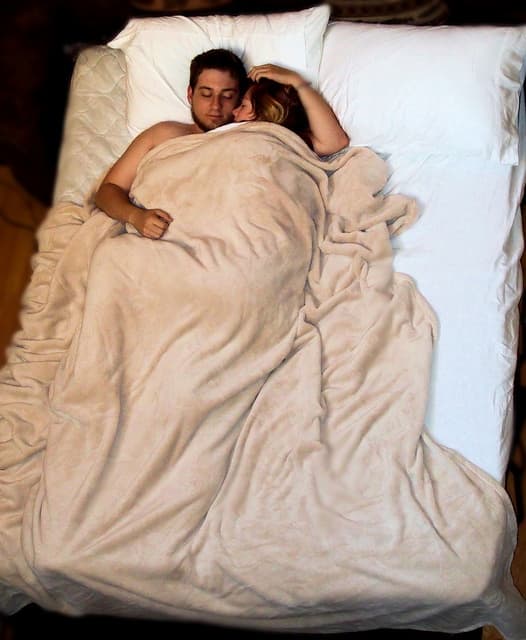
When Sarah and David moved into their new house last year, they did something that raised eyebrows among their friends and family. They set up two separate bedrooms. Not because their marriage was in trouble. By every measure, their relationship was thriving. They chose separate sleeping arrangements because, after 12 years of sharing a bed, they had finally admitted a simple truth: they slept terribly together.
Sarah runs cold and needs a heavy duvet. David overheats and sleeps with a single sheet. She reads before bed with a lamp on. He needs total darkness. She wakes at 5:30 for an early workout. He sleeps until 7. These are not catastrophic incompatibilities, but multiplied across thousands of nights, they had eroded both of their sleep quality to a degree that affected their health, moods, and patience with each other.
They are far from alone. The practice known as "sleep divorce" has gone from a whispered confession to an openly discussed lifestyle choice, and the numbers suggest it is far more common than most people realize.
The Numbers
A 2025 survey by the American Academy of Sleep Medicine found that 34 percent of American adults in relationships reported sleeping in a separate room from their partner at least occasionally. Among those aged 35 to 54, the number rose to 41 percent. A parallel survey by the Better Sleep Council found that couples who sleep apart rate their sleep quality 23 percent higher than those who share a bed.
The trend has accelerated noticeably since the pandemic, when many couples who were suddenly home together 24 hours a day discovered that their sleep incompatibilities were worse than they had thought. Architects and home builders have responded. The National Association of Home Builders reports that "dual primary suites," homes designed with two equal master bedrooms, are among the most requested features in new construction, up 18 percent year over year.
Why Sharing a Bed Is Hard
The romantic ideal of sharing a bed is deeply embedded in Western culture. It signals intimacy, commitment, and partnership. But from a sleep science perspective, it is a genuinely difficult arrangement for many couples.
Different chronotypes are a major factor. Research estimates that about 40 percent of the population are morning types, 30 percent are evening types, and the rest fall somewhere in between. When a morning person pairs with an evening person, their natural sleep and wake times can diverge by two hours or more. One partner is always being woken up too early or kept awake too late.
Temperature preferences differ significantly between individuals and tend to diverge between men and women. Snoring affects an estimated 45 percent of adults at least occasionally, and studies show that the bed partner of a snorer loses an average of one hour of sleep per night. Movement during sleep, different mattress firmness preferences, and conflicting responses to light and sound compound the problem.
The result is that many couples who share a bed are chronically under-slept, and the consequences extend well beyond tiredness. Poor sleep is linked to increased irritability, reduced empathy, impaired communication, and lower relationship satisfaction. Paradoxically, the arrangement meant to symbolize closeness can create friction that pushes partners apart.
Losing the Stigma
The biggest barrier to sleep divorce has never been practical. It has been social. Admitting that you sleep in a separate room from your partner has traditionally been interpreted as evidence that the relationship is failing. The assumption is so deeply held that many couples who sleep apart lie about it or avoid mentioning it entirely.
That stigma is eroding, and several forces are driving the change. Sleep health has become a mainstream wellness priority, with wearable trackers, smart mattresses, and sleep coaching normalizing the idea that sleep quality matters and is worth optimizing. When people invest hundreds of dollars in sleep trackers and temperature-regulating mattress pads, the idea that they should also optimize their sleeping arrangement logically follows.
Celebrity and public figure disclosures have helped. Several well-known couples have spoken openly about sleeping in separate rooms, framing it as a mature, relationship-strengthening choice rather than a sign of trouble. Therapists and relationship counselors increasingly recommend it for couples whose sleep incompatibilities are creating conflict.
The Relationship Benefits
Couples who have made the switch frequently report improvements that extend well beyond sleep quality. When both partners are well-rested, they are more patient, more emotionally available, and better equipped to handle the inevitable stresses of shared life.
There is also an unexpected benefit to separating sleep from intimacy. When a shared bed is no longer the default, couples report being more intentional about physical closeness. Rather than lying next to each other while scrolling phones, they choose to be together with purpose, whether for conversation, intimacy, or simply sitting together before retreating to their own rooms for the night.
Dr. Wendy Troxel, a sleep researcher and author, has described this dynamic as replacing "passive co-sleeping" with "active togetherness." The distinction matters. Proximity is not the same as connection, and many couples discover that less physical proximity during sleep leads to more meaningful connection during waking hours.
Making It Work
For couples considering a sleep divorce, several practical considerations can smooth the transition. Communication is essential. Both partners need to agree that the arrangement is about sleep quality, not emotional distance. Establishing rituals that maintain connection, such as spending time together in one bedroom before separating for sleep, helps preserve intimacy.
Not every couple needs a full separation. Some find that a larger bed, a split king with different mattress firmnesses, or simply separate blankets addresses their most significant incompatibilities. Others alternate between sleeping together and apart depending on the night. The goal is not a rigid rule but a flexible arrangement that prioritizes both partners' rest.
The cultural shift around sleep divorce reflects a broader maturation in how we think about relationships. The healthiest partnerships are not the ones that conform most closely to romantic ideals. They are the ones where both people feel seen, respected, and well-rested enough to show up as their best selves.