Your Dog's Smartwatch: How Pet Wearables Are Transforming Animal Healthcare
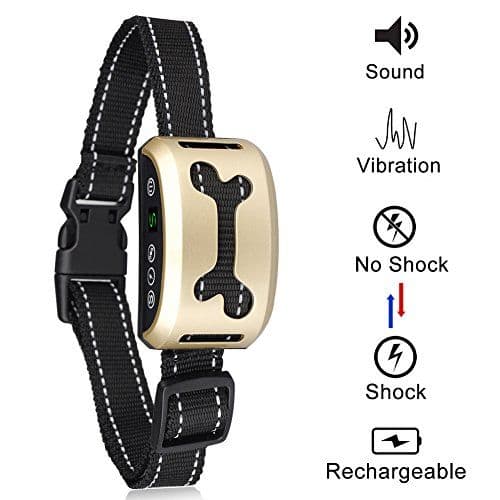
Beyond the GPS Tracker
When Sarah Lindgren's seven-year-old Labrador, Scout, started sleeping an extra hour each day and taking slightly shorter walks, she barely noticed. But Scout's smart collar did. The device flagged a 15 percent decline in activity levels over two weeks and a subtle change in resting heart rate variability, prompting Lindgren to schedule a veterinary appointment.
The diagnosis: early-stage hypothyroidism, caught months before it would have produced obvious clinical symptoms.
"Without the collar, I would have just thought he was getting older," said Lindgren, who lives in Minneapolis. "The vet said catching it this early meant we could manage it with a simple daily medication instead of dealing with complications down the road."
Stories like Lindgren's are becoming increasingly common as pet wearable technology matures from basic GPS tracking devices into sophisticated health monitoring platforms. The global pet wearable market reached $8.2 billion in 2025, according to Grand View Research, and is projected to exceed $14 billion by 2028.
What Today's Devices Can Do
The current generation of pet wearables has capabilities that would have seemed implausible five years ago. Leading devices from companies like FitBark, Fi, Whistle, and PetPace monitor heart rate, respiratory rate, body temperature, sleep quality, activity intensity, caloric expenditure, and even behavioral patterns like scratching, licking, and barking frequency.
PetPace, an Israeli company whose smart collar is used in both consumer and clinical veterinary settings, can detect atrial fibrillation in dogs with 94 percent accuracy, according to a peer-reviewed study published in the Journal of Veterinary Internal Medicine in late 2025. The device continuously streams data to a cloud platform where proprietary algorithms flag anomalies and alert owners and veterinarians.
"We're essentially giving pets the equivalent of a continuous health monitor," said Dr. Asaf Dagan, PetPace's chief veterinary scientist. "Animals can't tell us when something feels wrong. This technology speaks for them."
Fi, known primarily for its GPS-enabled smart collar, introduced health monitoring features in its Series 3 device launched in November 2025. The collar now tracks sleep patterns, daily step counts, and activity trends, presenting the data in an interface that deliberately mirrors human fitness apps like Apple Health and Fitbit.
Veterinary Medicine Embraces the Data
The real transformation is happening in veterinary clinics. A growing number of veterinarians are requesting that pet owners bring wearable data to appointments, much as human doctors increasingly review data from Apple Watches and continuous glucose monitors.
Banfield Pet Hospital, the largest veterinary practice in the United States with more than 1,000 locations, announced in January 2026 that it would integrate PetPace and FitBark data directly into its electronic medical records system. The move allows veterinarians to review weeks or months of continuous health data rather than relying solely on the snapshot provided by a single office visit.
"A 15-minute exam gives us a tiny window into an animal's health," said Dr. Molly McAllister, Banfield's chief medical officer. "Wearable data gives us the full picture. It's especially valuable for conditions that are intermittent or that develop gradually, like early cardiac disease or chronic pain."
The Cat Market Catches Up
Dogs have dominated the pet wearable market to date, but cat-specific devices are gaining traction. Moggie, a U.K.-based startup, launched a lightweight collar sensor in 2025 designed specifically for feline behavior and health patterns. The device weighs just 10 grams and monitors activity levels, sleep behavior, and eating patterns.
The challenge with cats has always been form factor. Cats are more sensitive to collar weight and bulk than dogs, and many cats wear no collar at all. Moggie addressed this by making its sensor attachable to existing breakaway collars or harnesses, with a profile slim enough that most cats tolerate it within a day or two.
The company reported 180,000 units sold in its first year and recently began shipping to the United States and Canada.
Privacy and Data Concerns
As with any connected device, pet wearables raise questions about data privacy and security. Most devices transmit health and location data to cloud servers, and the policies governing how that data is stored, shared, and monetized vary significantly among manufacturers.
Some companies have faced criticism for sharing aggregated pet health data with pet food manufacturers and insurance companies without explicit owner consent. In response, FitBark and Fi both updated their privacy policies in 2025 to require opt-in consent for any third-party data sharing.
Pet insurance is another area where wearable data is becoming relevant. Trupanion and Lemonade Pet have both introduced pilot programs offering premium discounts to pet owners who share wearable health data, similar to how human health insurers incentivize fitness tracker usage.
The Bond Between Tech and Love
Critics occasionally argue that pet wearables represent the over-technologization of a relationship that should be simple and intuitive. But proponents counter that the technology enhances rather than replaces the human-animal bond by giving owners actionable insight into their pet's wellbeing.
"Nobody buys a smart collar because they love their dog less," said Jonathan Bensamoun, CEO of FitBark. "They buy it because they love their dog so much that they want to know everything they can about keeping them healthy and happy. That's not a technology story. That's a love story."