Mushroom Coffee and Functional Beverages Are a $12 Billion Market — Here's What's Actually Worth Drinking
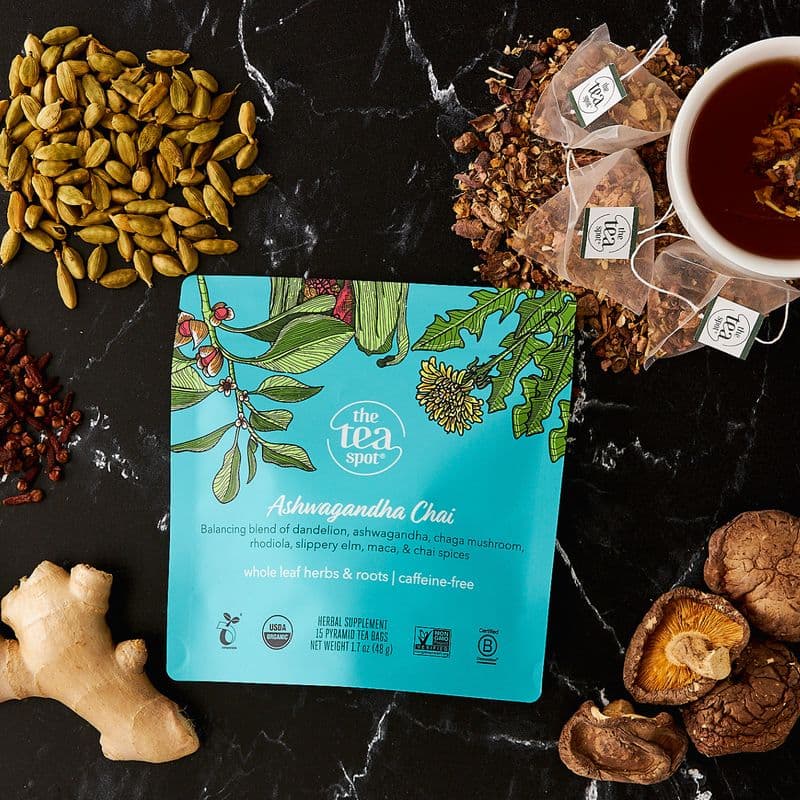
Walk into any upscale cafe in 2026 and the menu reads like a wellness supplement catalog. Lion's mane coffee. Reishi hot chocolate. Ashwagandha matcha. Cordyceps pre-workout cold brew. The functional beverage market has exploded to $12.4 billion in the US alone, growing at 28% annually and reshaping everything from morning routines to the definition of what a "drink" is.
The Science Check
Let's separate the signal from the noise. Lion's mane mushroom has the strongest evidence base for cognitive benefits: multiple clinical trials have shown measurable improvements in cognitive function, particularly in adults over 50, with daily doses of 500-1000mg. A 2025 meta-analysis published in the Journal of Neurochemistry concluded that lion's mane "demonstrates consistent, moderate neuroprotective and neuroregenerative effects."
Ashwagandha's cortisol-reducing properties are well-documented across dozens of studies, making it a legitimate option for stress management. Reishi shows promise for immune modulation and sleep quality, though the evidence is less conclusive than for lion's mane or ashwagandha.
The problem: most functional beverages contain these ingredients at doses well below what studies used to demonstrate effects. A typical mushroom coffee contains 250-500mg of mushroom extract — potentially below the therapeutic threshold. Brands that disclose exact dosing and use fruiting body extracts (rather than cheaper mycelium-on-grain) tend to be more effective.
The Market Leaders
MUDWTR remains the category leader with $280 million in annual revenue, having built a brand around morning ritual replacement rather than just coffee alternative. Their formulation includes lion's mane, chaga, reishi, cordyceps, and turmeric with masala chai — and notably contains just 35mg of caffeine (versus 95mg in regular coffee).
Ryze, Four Sigmatic, and Everyday Dose compete in the direct-to-consumer mushroom coffee space, while Kin Euphorics and De Soi lead the functional alcohol-alternative market with adaptogenic and nootropic sparkling drinks designed for social occasions.
The Cafe Revolution
Blue Bottle, Intelligentsia, and Stumptown have all added functional options to their menus. Starbucks tested a "Performance Line" of mushroom-enhanced beverages in 200 US locations in late 2025 and has since expanded it nationally. The additions aren't gimmicks — they represent Starbucks' response to the 12% decline in traditional coffee consumption among 18-30-year-olds.
What's Worth Your Money
If you're curious, look for products that list exact dosages of each ingredient, use fruiting body extracts, and have third-party testing certifications. Be skeptical of products that list "proprietary blends" without specifying amounts — it usually means the active ingredients are present at token levels. And remember: no beverage is a substitute for sleep, exercise, and a diet rich in actual vegetables.
The functional beverage movement is here to stay. Whether it delivers on its grandest health promises remains to be seen, but it's already achieved something significant: making people think more carefully about what they drink and why.