The Meal Prep Industrial Complex: When Sunday Cooking Became a Second Job
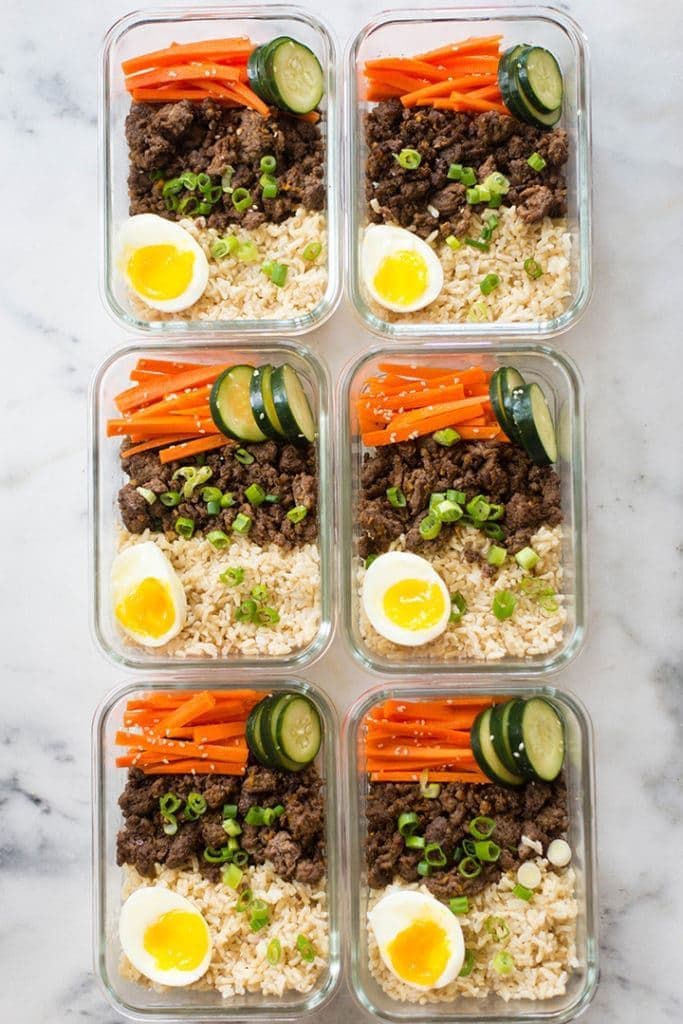
Every Sunday, millions of people across the country engage in a ritual that has become as obligatory as doing laundry. They line up their matching glass containers, fire up two or three cooking processes simultaneously, and spend anywhere from two to six hours transforming raw ingredients into a week's worth of portioned meals. When they finish, they photograph the results, post them to Instagram or Reddit, and feel a temporary rush of accomplishment before the exhaustion sets in.
Meal prep culture has been building for the better part of a decade, but in 2026 it has reached a tipping point. What started as a sensible strategy for busy people has ballooned into something far more demanding, commercial, and psychologically fraught than anyone anticipated.
How We Got Here
The modern meal prep movement traces its roots to fitness and bodybuilding communities, where eating specific macronutrient ratios at precise intervals was already standard practice. As those communities grew online, their habits filtered into mainstream culture, blending with broader trends around productivity optimization and clean eating.
Social media accelerated the process dramatically. Pinterest boards, YouTube channels, and Instagram accounts dedicated to meal prep turned a practical kitchen task into a performance. The bar for what constituted acceptable meal prep rose steadily. Simple rice and chicken became elaborate themed menus with homemade sauces, pickled garnishes, and carefully arranged color palettes.
An industry formed to serve this growing obsession. The meal prep container market alone is worth an estimated $1.8 billion globally. Add in specialized kitchen gadgets, meal planning apps, subscription ingredient boxes, dedicated cookbooks, and online courses, and the total ecosystem exceeds $4 billion. Meal prep went from a habit to an industry to, for many people, an identity.
The Hidden Costs
The promise of meal prep has always been straightforward: spend a few hours on Sunday to save time, money, and mental energy during the week. In theory, this makes perfect sense. In practice, the math is more complicated than influencers suggest.
Time savings are real but often overstated. A thorough Sunday meal prep session, including planning, shopping, cooking, portioning, and cleaning, can easily consume four to five hours. That is not a trivial time investment, particularly for people who already work demanding schedules and have limited weekend hours for rest and recreation.
The mental load is similarly underestimated. Deciding what to cook, cross-referencing ingredients, checking macros, and managing inventory requires significant cognitive effort. For people who already struggle with decision fatigue, adding a complex weekly planning task does not simplify life. It adds another layer of obligation.
Then there is the waste problem. Despite meal prep's reputation for reducing food waste, the reality is mixed. Prepped meals that sit in the refrigerator past Wednesday often go uneaten. Ingredients bought in bulk for ambitious recipes spoil when plans change. The guilt of throwing away carefully prepared food compounds the stress.
The Burnout Wave
A growing number of people are openly admitting that meal prep has become a source of stress rather than relief. Online forums and social media threads about meal prep burnout have surged in the past year. Common themes include feeling like a failure for not prepping, dreading Sundays, and resenting the loss of spontaneity around food.
Registered dietitians have noticed the pattern in their practices. Several report that clients arrive feeling guilty about their inability to sustain elaborate meal prep routines, as if failing to portion five days of lunches into matching containers represents a personal deficiency rather than a reasonable response to an unreasonable expectation.
The psychological dimension is worth taking seriously. When meal prep becomes performative, when the containers must be photogenic, the macros must be precise, and the routine must be maintained without exception, it begins to resemble disordered behavior more than healthy planning.
A More Honest Approach
None of this means that cooking ahead is a bad idea. The core principle is sound. Having food ready when you are hungry prevents impulsive choices and can genuinely save money. The problem is not meal prep itself but the culture that has grown around it, a culture that turns a simple domestic task into an elaborate production with impossible standards.
A healthier approach might involve what some nutritionists call "ingredient prep" rather than full meal prep. Washing and chopping vegetables, cooking a batch of grains, and preparing a versatile protein gives you building blocks for the week without locking you into specific meals. It takes an hour instead of four, leaves room for spontaneity, and produces less waste.
Others are finding success with a "prep some, wing some" philosophy: preparing two or three meals in advance while leaving the rest of the week flexible. This captures most of the practical benefit without the all-or-nothing pressure that leads to burnout.
Reclaiming the Kitchen
The meal prep industrial complex thrives on the idea that more preparation equals more control, and more control equals a better life. But cooking has value beyond optimization. The act of making dinner on a Tuesday night, choosing ingredients based on what sounds appealing in the moment, can be a source of pleasure, creativity, and presence.
Not everything in life needs to be systematized, batch-processed, and photographed. Sometimes the most nourishing thing you can do in the kitchen is put away the matching containers and simply cook.