The Cold Plunge Craze Has Gone Mainstream. Here's What Science Says
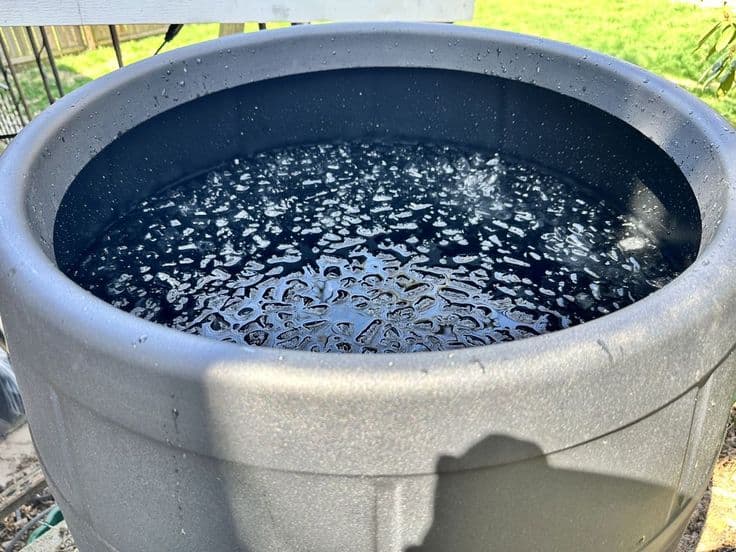
Two years ago, cold plunge tubs were exotic items found in biohacker lofts and professional sports facilities. Today, they are a staple of suburban wellness culture, advertised alongside hot tubs at home improvement stores and anchoring a new category of boutique fitness studios. The contrast therapy market, encompassing both cold exposure and sauna use, reached $4.7 billion globally in 2025 and shows no signs of cooling off.
But as the cold plunge trend moves from influencer feeds to clinical scrutiny, the picture that emerges is more nuanced than either the evangelists or the skeptics would have you believe.
The Claims vs. the Evidence
Proponents of deliberate cold exposure credit it with an extraordinary range of benefits: reduced inflammation, improved mood, better sleep, enhanced immune function, increased fat burning, faster muscle recovery, and even cognitive sharpening. Social media is saturated with before-and-after testimonials from people who swear that a daily two-minute ice bath transformed their lives.
The scientific literature tells a more measured story. Some of these claims are well-supported. Others are plausible but unproven. A few are almost certainly exaggerated.
What the Research Actually Shows
The strongest evidence supports cold exposure's effect on mood. A 2025 meta-analysis published in the British Journal of Sports Medicine examined 14 randomized controlled trials and found consistent improvements in self-reported mood, energy levels, and symptoms of mild depression following cold water immersion protocols. The mechanism is well understood: cold exposure triggers a significant release of norepinephrine, a neurotransmitter that plays a central role in attention, focus, and mood regulation.
The inflammation and recovery claims are more complicated. While cold water immersion does reduce markers of acute inflammation, recent research suggests this is not always desirable. A landmark study from Maastricht University found that post-exercise cold immersion actually blunted muscle protein synthesis by 12% compared to passive recovery. In other words, the ice bath might help you feel less sore while simultaneously slowing the adaptation your muscles are trying to make.
The Sauna Side of the Equation
The evidence for regular sauna use is, ironically, more robust than for cold plunging. Finnish longitudinal studies tracking thousands of participants over decades have found that frequent sauna users have significantly lower rates of cardiovascular disease, all-cause mortality, and dementia.
A 2025 study from the University of Eastern Finland reported that participants who used a sauna four to seven times per week had a 40% lower risk of dying from any cause compared to those who used a sauna once per week. The heat stress appears to trigger many of the same cardiovascular adaptations as moderate exercise, including improved blood vessel elasticity and lower blood pressure.
The Contrast Protocol
The latest trend in the space is contrast therapy: alternating between hot and cold exposure in structured protocols. Typically, this involves three to four rounds of sauna sessions lasting 15 to 20 minutes followed by cold plunges of one to three minutes.
Research on contrast therapy specifically is still in its early stages, but preliminary findings are encouraging. A small but well-designed trial at the University of Copenhagen found that six weeks of regular contrast therapy improved insulin sensitivity by 18% and reduced resting heart rate by an average of five beats per minute in sedentary adults.
The Business of Being Uncomfortable
The commercial infrastructure around thermal wellness has exploded. Studios like Plunge, Othership, and Restore Hyper Wellness now operate hundreds of locations across North America, offering drop-in sessions that typically run between $35 and $65 per visit. Monthly memberships range from $150 to $300.
At the consumer level, home cold plunge units from brands like Ice Barrel, Cold Plunge, and BlueCube have become a genuine product category, with prices ranging from $500 for basic ice bath tubs to $6,000 for temperature-controlled units with filtration systems.
Who Is Actually Doing This
Early adopters were predictably drawn from the fitness and biohacking communities, but the demographic has broadened considerably. Studio operators report that their fastest-growing customer segment is women between the ages of 35 and 55 who are drawn primarily by the mental health benefits and stress relief rather than athletic recovery.
The Risks Nobody Talks About
The enthusiasm for cold exposure has outpaced safety education. Emergency departments have reported a steady increase in cold-related incidents, ranging from cardiac arrhythmias triggered by sudden immersion to hypothermia from overly ambitious solo sessions.
Cardiologists are particularly concerned about unsupervised cold plunging among people with undiagnosed heart conditions. The mammalian dive reflex, which cold water triggers automatically, causes a rapid decrease in heart rate that can be dangerous for people with certain cardiac vulnerabilities.
Medical professionals recommend starting gradually, never plunging alone, and consulting with a doctor before beginning any cold exposure protocol. They also caution against the tendency to view colder temperatures and longer durations as inherently better. Research suggests that most benefits plateau at water temperatures around 50 to 59 degrees Fahrenheit, and immersion times beyond two to three minutes offer diminishing returns.
The Verdict
Cold plunging and sauna use are not the cure-alls that social media makes them out to be, but they are not pure hype either. For most healthy adults, a moderate practice of thermal stress, approached sensibly and consistently, appears to offer genuine benefits for mood, cardiovascular health, and stress resilience. The key is calibrating expectations and resisting the temptation to treat discomfort as a competitive sport.