NFT Market Revival 2026: New Use Cases Breathing Life Into Digital Ownership
The NFT market in 2026 looks nothing like the frenzy of 2021 and 2022, and that might be exactly the point. The era of million-dollar profile pictures and floor price obsession has given way to something more sustainable: utility-driven digital ownership that solves real problems for real users. The hype has faded, but the technology is finally finding its product-market fit.
Gaming NFTs Lead the Comeback
If there is a single sector driving the NFT revival, it is gaming. Blockchain-integrated games have matured significantly since the crude play-to-earn experiments of the last cycle. Studios are now building genuinely fun games where NFT ownership enhances the experience rather than defining it.
Titles built on networks like Immutable, Ronin, and Avalanche are demonstrating that in-game items with verifiable ownership and cross-platform portability can coexist with compelling gameplay. Players can trade skins, weapons, and characters on open marketplaces, creating player-driven economies that benefit both gamers and developers.
The key lesson from the previous cycle was that NFTs cannot save a bad game. The projects succeeding in 2026 are those that prioritize gameplay first and layer ownership mechanics on top. This approach attracts traditional gamers who care about fun rather than financial returns, creating larger and more engaged communities.
Major publishers are also dipping their toes in. Several AAA studios have announced partnerships with blockchain platforms to explore digital collectibles tied to popular franchises. While these efforts are still early, they represent a massive potential audience for NFT technology.
Brand Partnerships and Loyalty Programs
Some of the most interesting NFT activity in 2026 is happening outside of crypto-native circles. Major consumer brands are using NFTs as the backbone for next-generation loyalty programs, membership passes, and customer engagement strategies.
Nike's .Swoosh platform continues to evolve, offering digital wearables that can be used across virtual environments and gaming platforms. Starbucks' Odyssey program, while restructured since its initial launch, demonstrated that mainstream consumers will engage with NFT-powered experiences when the value proposition is clear and the onboarding is seamless.
Luxury brands including Louis Vuitton, Gucci, and Prada have integrated NFTs for product authentication and exclusive access. A luxury handbag paired with an NFT certificate of authenticity provides verifiable provenance that benefits both the brand and the buyer. These implementations strip away the crypto jargon and focus on solving tangible problems.
The common thread across successful brand NFT programs is abstraction. Users do not need to understand blockchain, wallets, or gas fees. The NFT layer operates behind the scenes, with brands handling the technical complexity and presenting users with familiar interfaces.
Real-World Asset Tokenization
NFTs are also finding applications in tokenizing real-world assets, blurring the line between digital and physical ownership. Event tickets, real estate deeds, intellectual property licenses, and academic credentials are all being represented as NFTs on various blockchains.
Tokenized event tickets solve long-standing problems with fraud and scalping. Each ticket is verifiable on-chain, cannot be counterfeited, and can include smart contract rules that limit resale prices or direct royalties back to event organizers. Major ticketing platforms are exploring blockchain integration, and several live events have already used NFT-based ticketing systems.
Real estate tokenization, while still in its early innings, has seen pilot projects that allow fractional ownership of properties through NFT representations. Regulatory hurdles remain significant, but the potential to democratize access to real estate investment is driving continued experimentation.
The Art Market Evolves
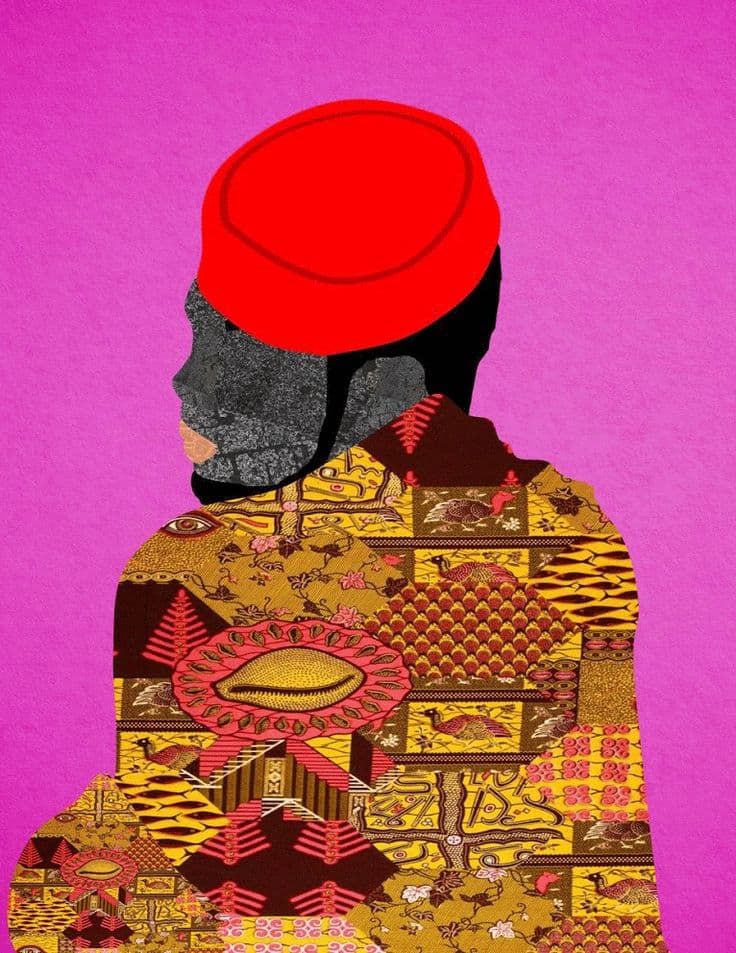
Digital art, the original NFT use case, has not disappeared. It has matured. The speculative frenzy that drove floor prices to unsustainable levels has been replaced by a market that more closely resembles the traditional art world, where quality, provenance, and artistic reputation determine value.
Platforms like Art Blocks, Foundation, and SuperRare continue to support vibrant communities of digital artists. Generative art, in particular, has established itself as a legitimate art form, with pieces appearing in major galleries and auction houses alongside traditional works.
The secondary market has stabilized at more sustainable levels, with trading volume driven by genuine collectors rather than flippers. OpenSea, Blur, and Magic Eden compete for market share, each differentiating through features, fee structures, and chain support.
Technical Infrastructure Improvements
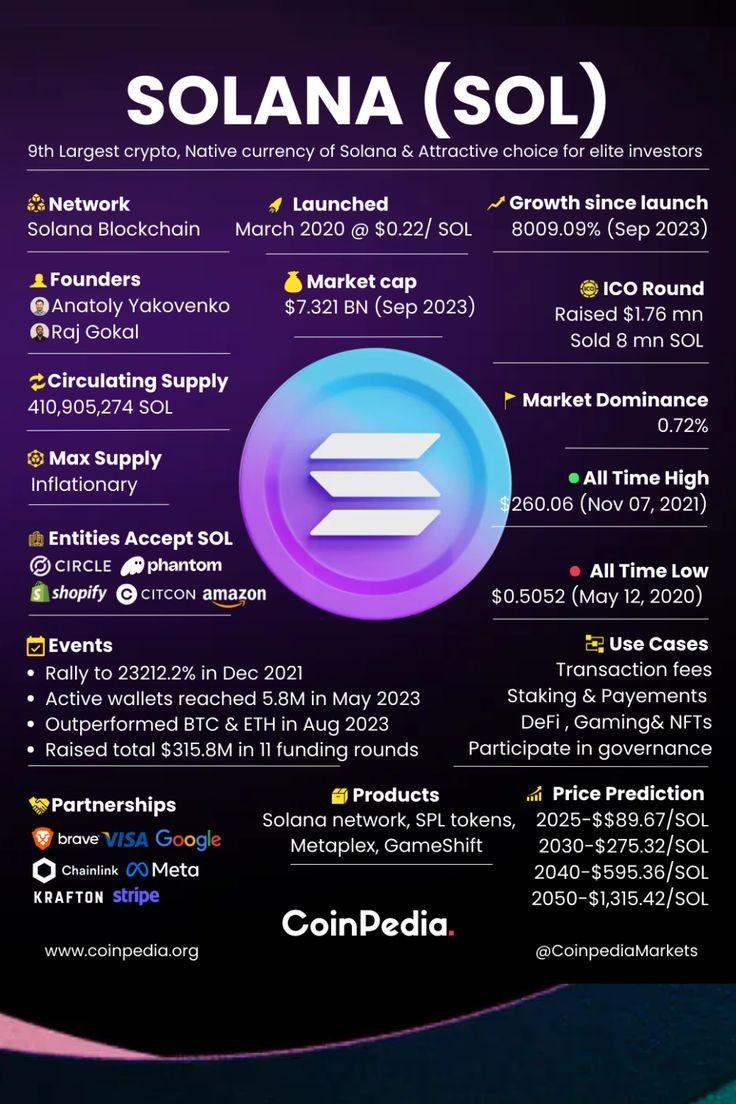
The NFT experience in 2026 benefits from significant infrastructure improvements. Compressed NFTs on Solana have reduced minting costs to fractions of a cent, enabling mass-scale NFT distribution for gaming and loyalty programs. Ethereum's Layer 2 networks provide low-cost minting and trading while maintaining the security of the base layer.
Cross-chain NFT standards are emerging, allowing assets to move between blockchains without losing their metadata, provenance, or functionality. This interoperability is crucial for gaming NFTs that need to work across multiple platforms and ecosystems.
Wallet experiences have improved dramatically. Social logins, embedded wallets, and account abstraction mean that users can own and manage NFTs without ever seeing a seed phrase or signing a raw transaction.
The Bigger Picture
The NFT market revival of 2026 is not a return to the speculative mania of the last cycle. It is something more durable: a technology finding genuine product-market fit across gaming, brands, art, and real-world assets. The projects and platforms succeeding today are those that focus on utility, user experience, and sustainable business models rather than hype and speculation. That evolution is exactly what the space needed.