Bitcoin Miners Are Pivoting to AI: How Data Centers Are Being Reborn
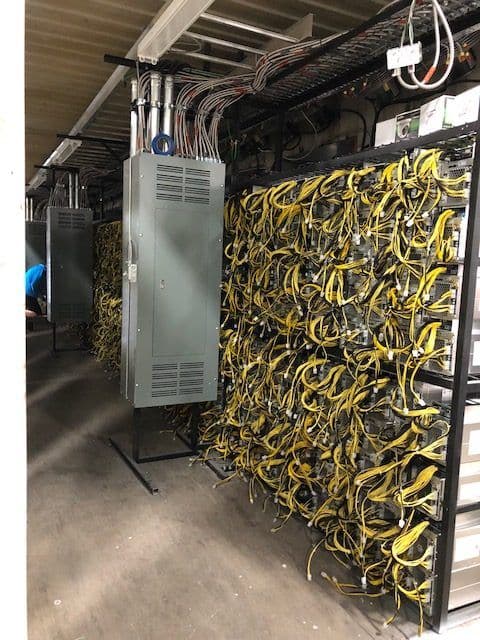
A quiet revolution is sweeping through the Bitcoin mining industry. Companies that spent years building massive facilities optimized for one thing — converting cheap electricity into cryptocurrency — are discovering that the same infrastructure is extraordinarily valuable for a completely different purpose: training and running AI models.
The Economics Are Irresistible
The math tells the story. A Bitcoin mining facility generates roughly $30-$50 of revenue per megawatt-hour of electricity consumed, depending on Bitcoin's price and mining difficulty. The same megawatt-hour, directed toward AI model training for companies like Microsoft, Meta, or Amazon, generates $200-$400 in revenue through cloud computing contracts. The margins aren't just better — they're transformatively better.
Core Scientific, once the largest publicly traded Bitcoin miner, has converted 40% of its capacity to AI hosting and signed a 12-year, $8.7 billion contract with CoreWeave (a major AI cloud provider). Its stock has tripled since the pivot was announced. Riot Platforms and Marathon Digital are pursuing similar strategies, allocating 30-50% of new capacity to AI rather than mining.
Why Mining Infrastructure Fits AI
Bitcoin mining facilities and AI data centers share critical requirements: access to cheap, reliable power (often near hydroelectric or wind installations), massive cooling capacity, robust electrical infrastructure, and remote locations where noise and heat aren't concerns. Converting a mining facility to AI hosting requires replacing ASIC mining rigs with GPU servers and upgrading networking — significant but manageable capital expenditure compared to building from scratch.
The timing is perfect. AI companies are desperately competing for data center capacity, with wait times for new facilities stretching to 3-4 years. Mining operations that can convert within 6-12 months are filling an urgent gap.
Impact on Bitcoin
The pivot raises questions about Bitcoin's long-term hash rate security. If the most profitable use of mining infrastructure is AI rather than mining, will enough miners remain to secure the network? Bitcoin advocates argue that the mining difficulty adjustment mechanism will naturally balance this — as miners leave, difficulty drops, making remaining mining more profitable.
Others see a more nuanced future: hybrid facilities that mine Bitcoin during periods of excess power capacity (nights, weekends, high wind/solar) and run AI workloads during peak demand periods. Several companies are already operating this model, dynamically switching between workloads based on real-time electricity pricing.
The transformation of Bitcoin mining into AI infrastructure may be the most unexpected plot twist in crypto's short history — and it's only just beginning.